ELC – Wrapping up the year
Celebrating Community, Connection and Belonging
As we reach the end of another wonderful year, it’s a perfect time to pause and reflect on the rich tapestry of experiences that have helped build a strong sense of belonging within our ELC community. Each event, big or small, has contributed to creating meaningful connections for our children, families, and educators. These shared moments are the heartbeat of our centre, weaving together memories that will stay with the children long after the year ends.
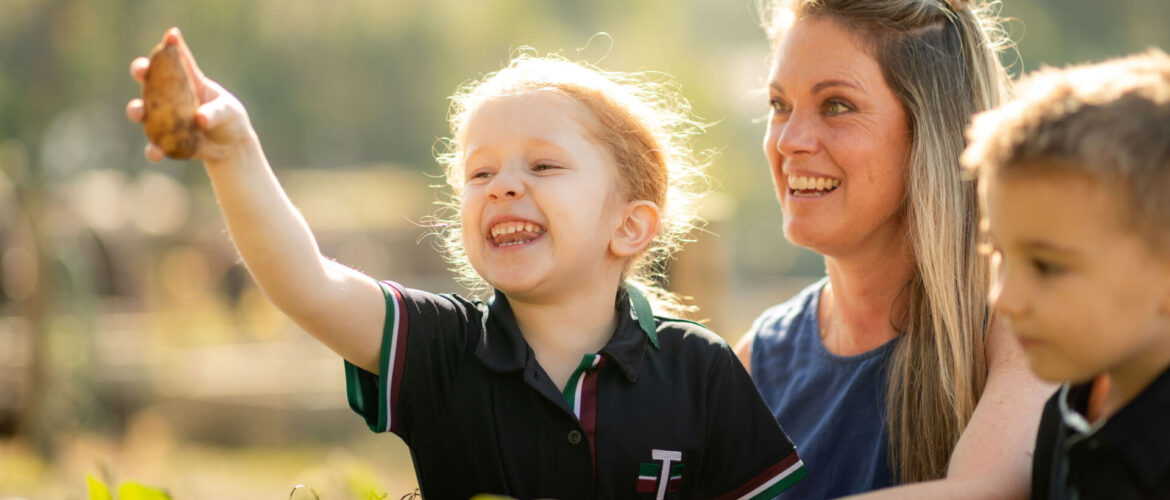
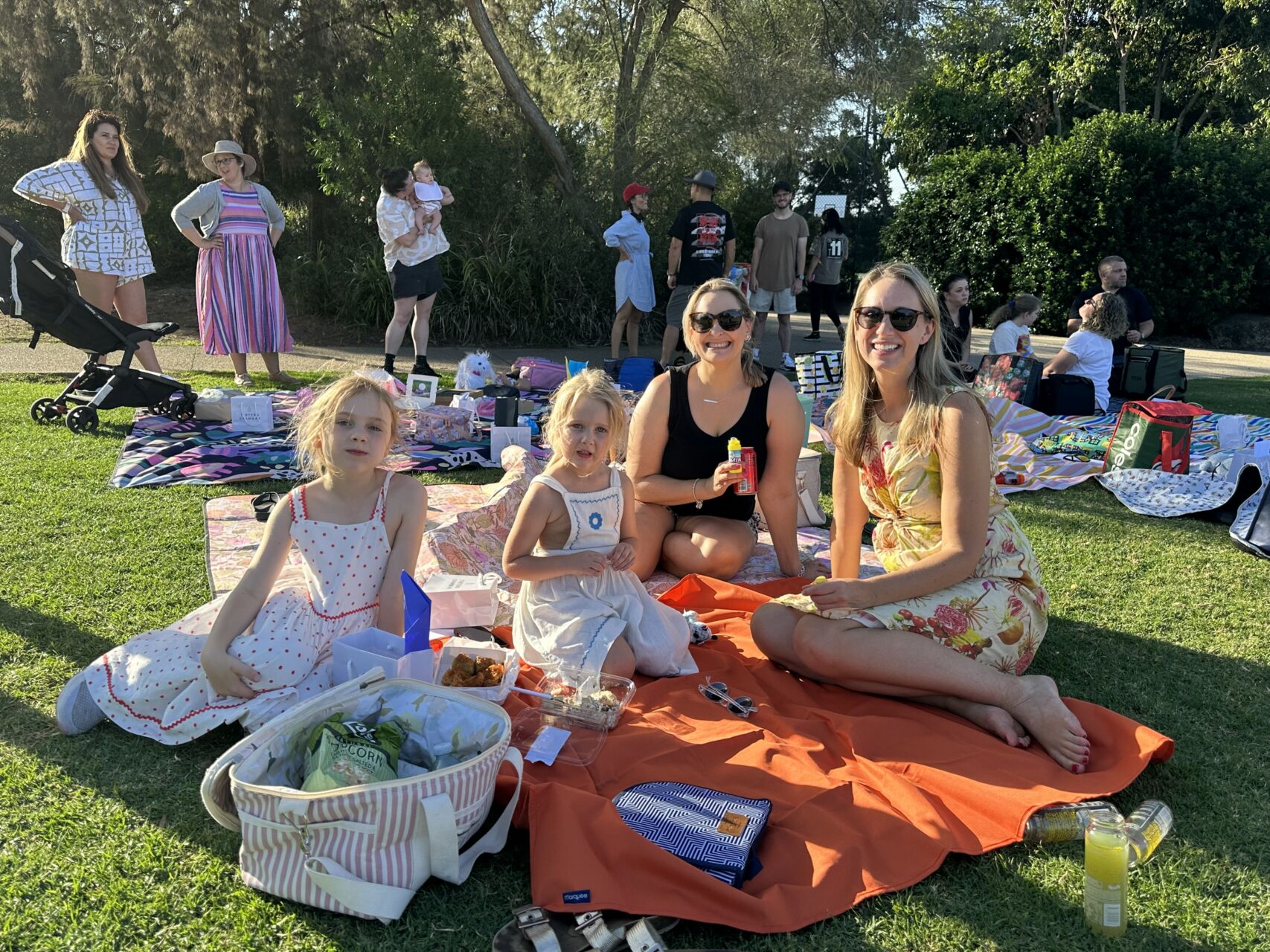
One of our earliest adventures was our nature walk, where the children eagerly explored the school grounds with curiosity and confidence. As they ran freely, discovering new spaces and becoming increasingly comfortable across the wider campus they collected “treasures” to keep. These explorations fostered independence, wonder, and a growing pride in being part of the school community.
Our Easter Concert marked a special milestone—the children’s very first performance on stage. With bright smiles and brave hearts, they sang, danced, and beamed with pride as families filled the room with warmth and encouragement. It was a celebration of courage, teamwork, and joy.
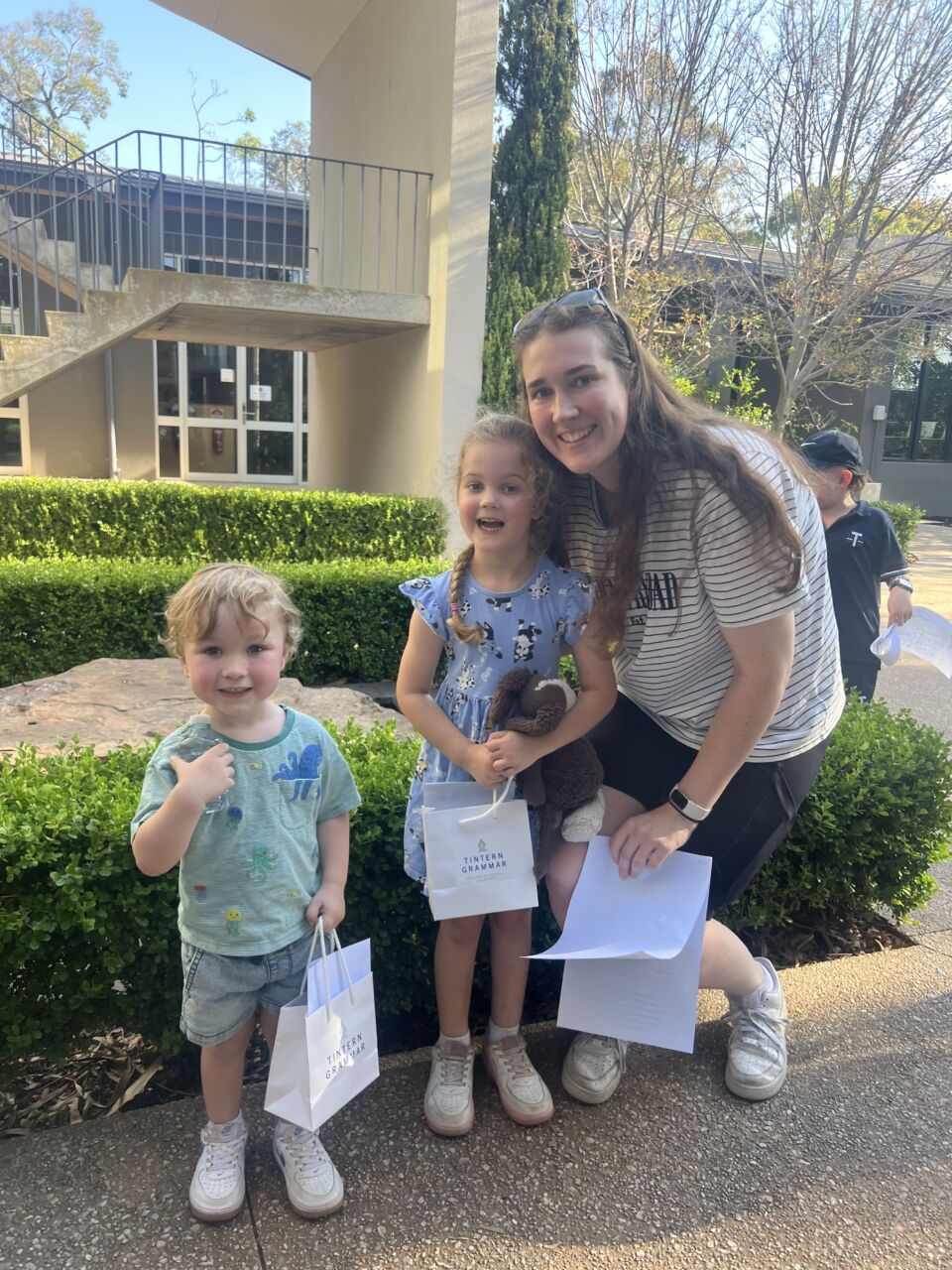
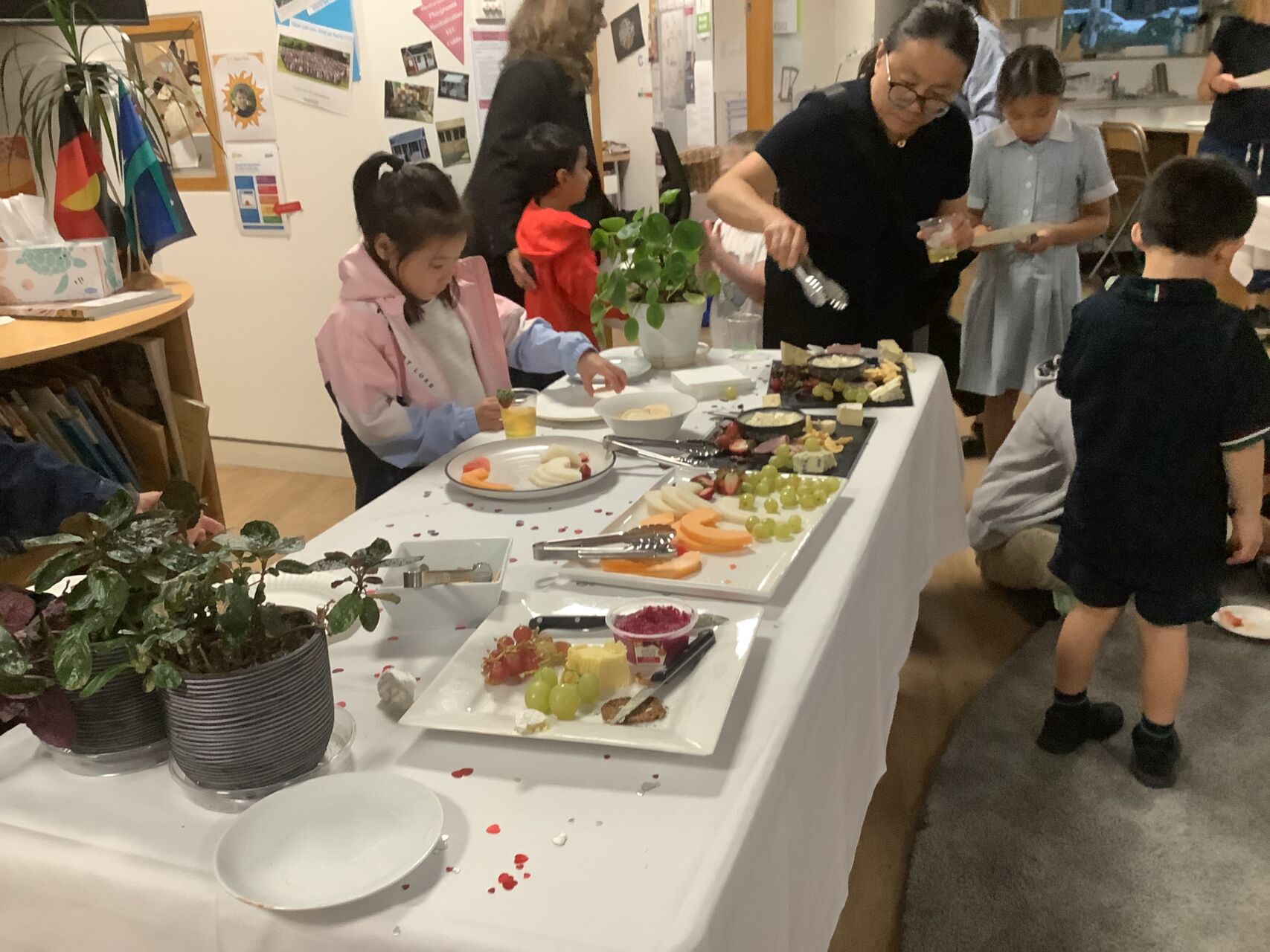
In May, we honoured the wonderful women in our children’s lives with our Mother’s Day “Songs and Scones” afternoon tea. The children sang from the heart, and the shared scones created such a gentle, loving atmosphere. It was a beautiful way to recognise the mothers and significant females who nurture, guide, and support our children every day.
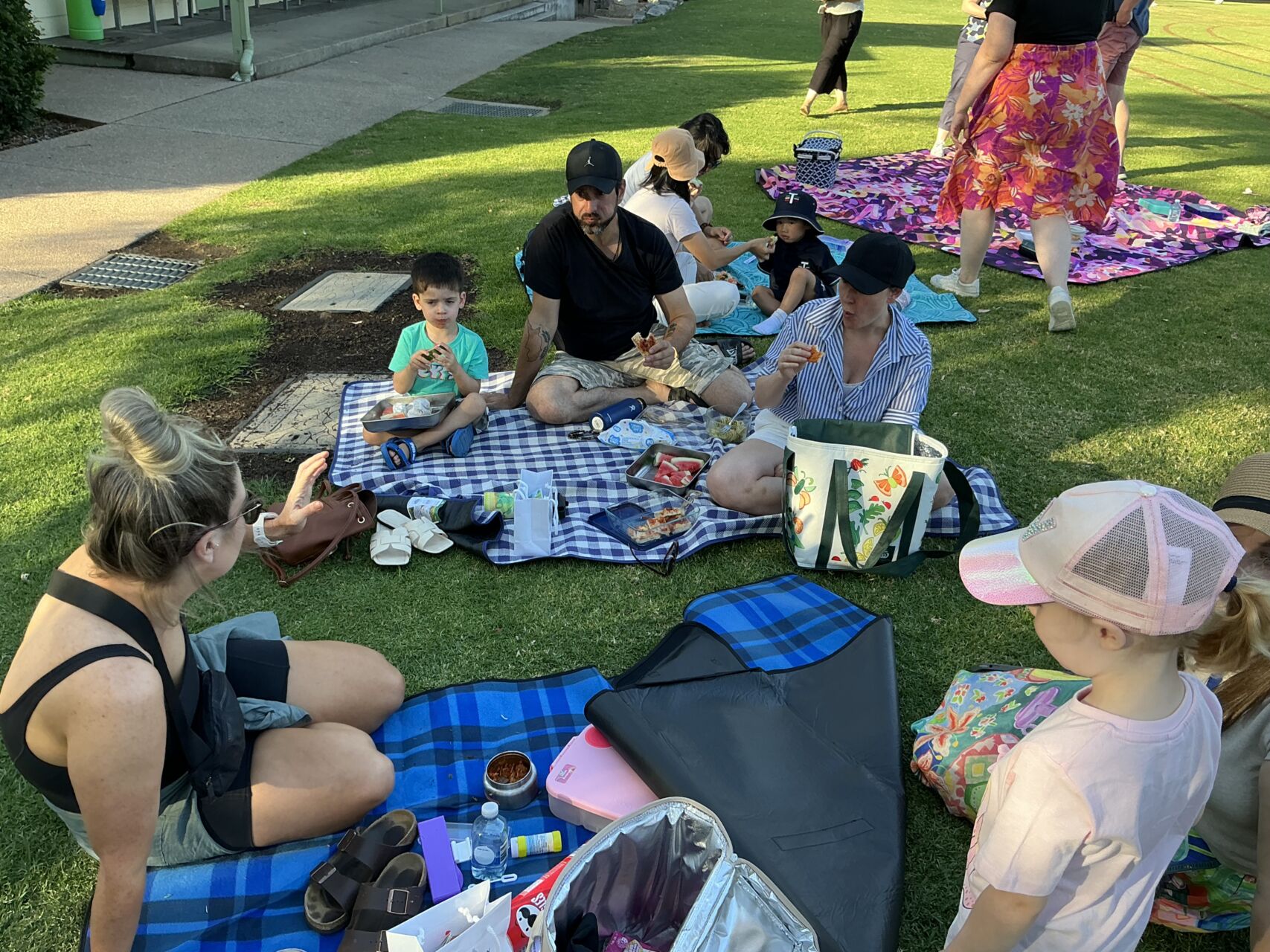
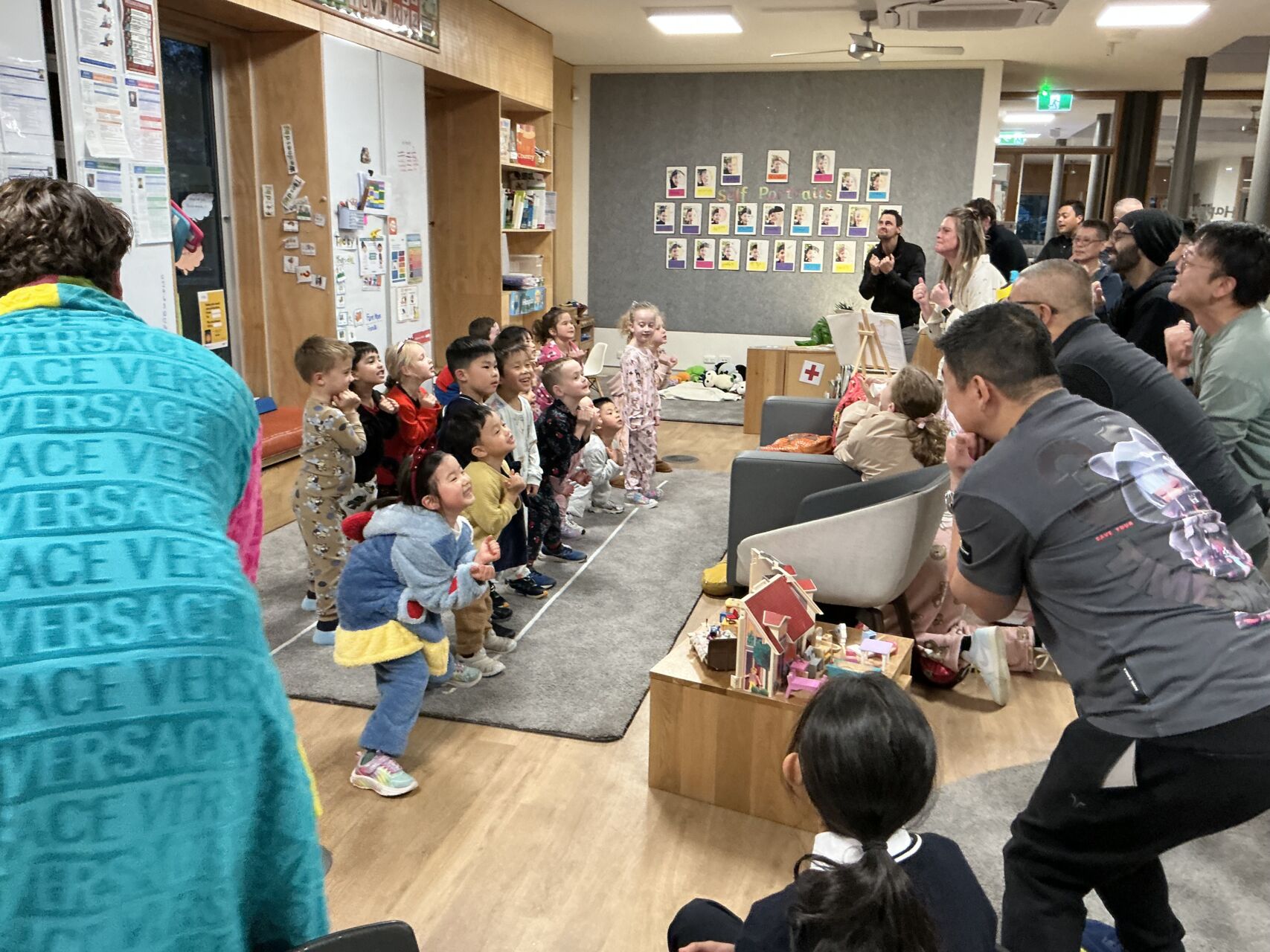
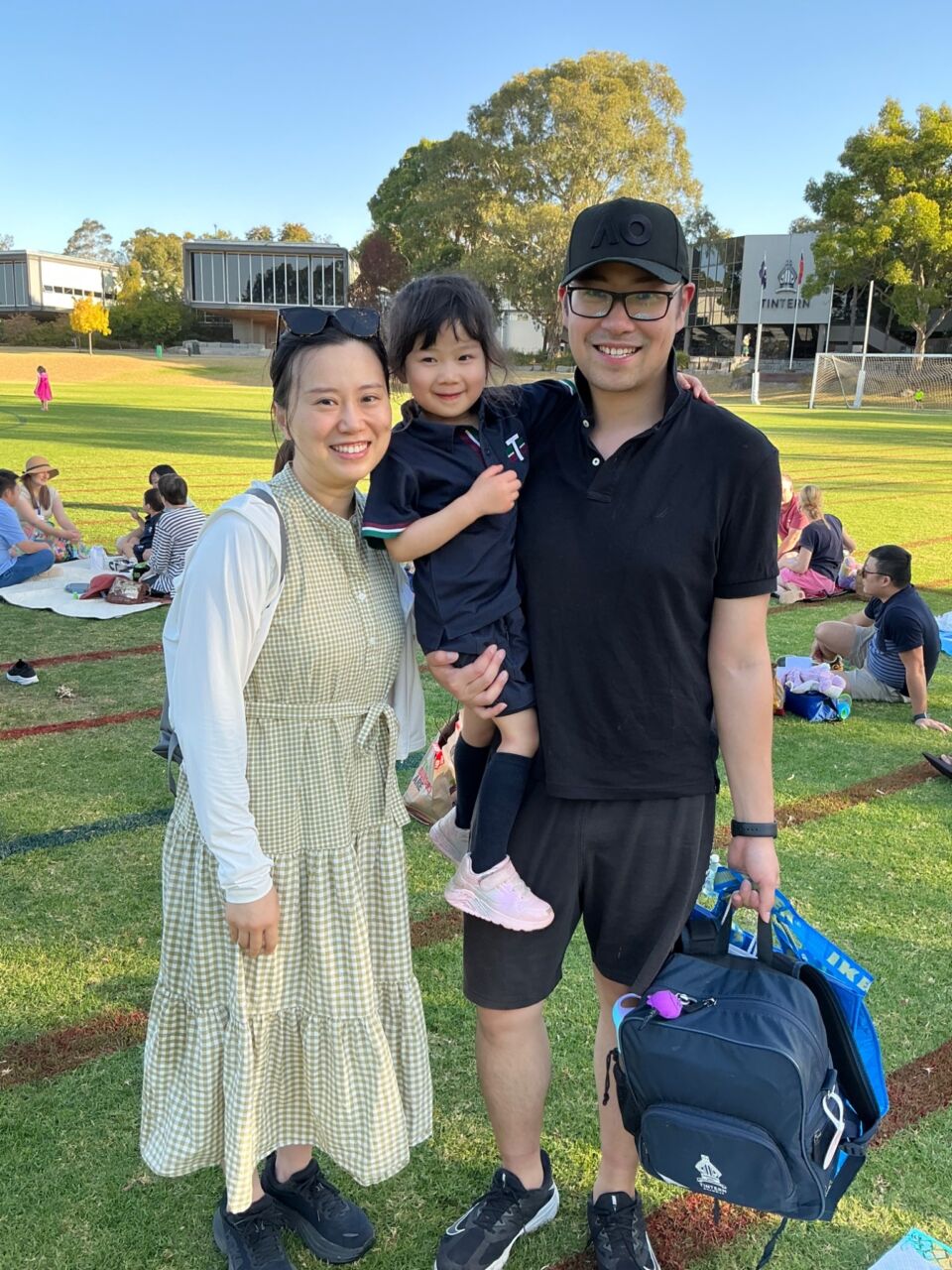
Soon after, our Father’s Day PJ and Pizza night brought families together once again—this time with pizza, laughter, and plenty of hands-on fun. Celebrating the special males in our children’s lives allowed us to acknowledge the important role they play in shaping these early years.
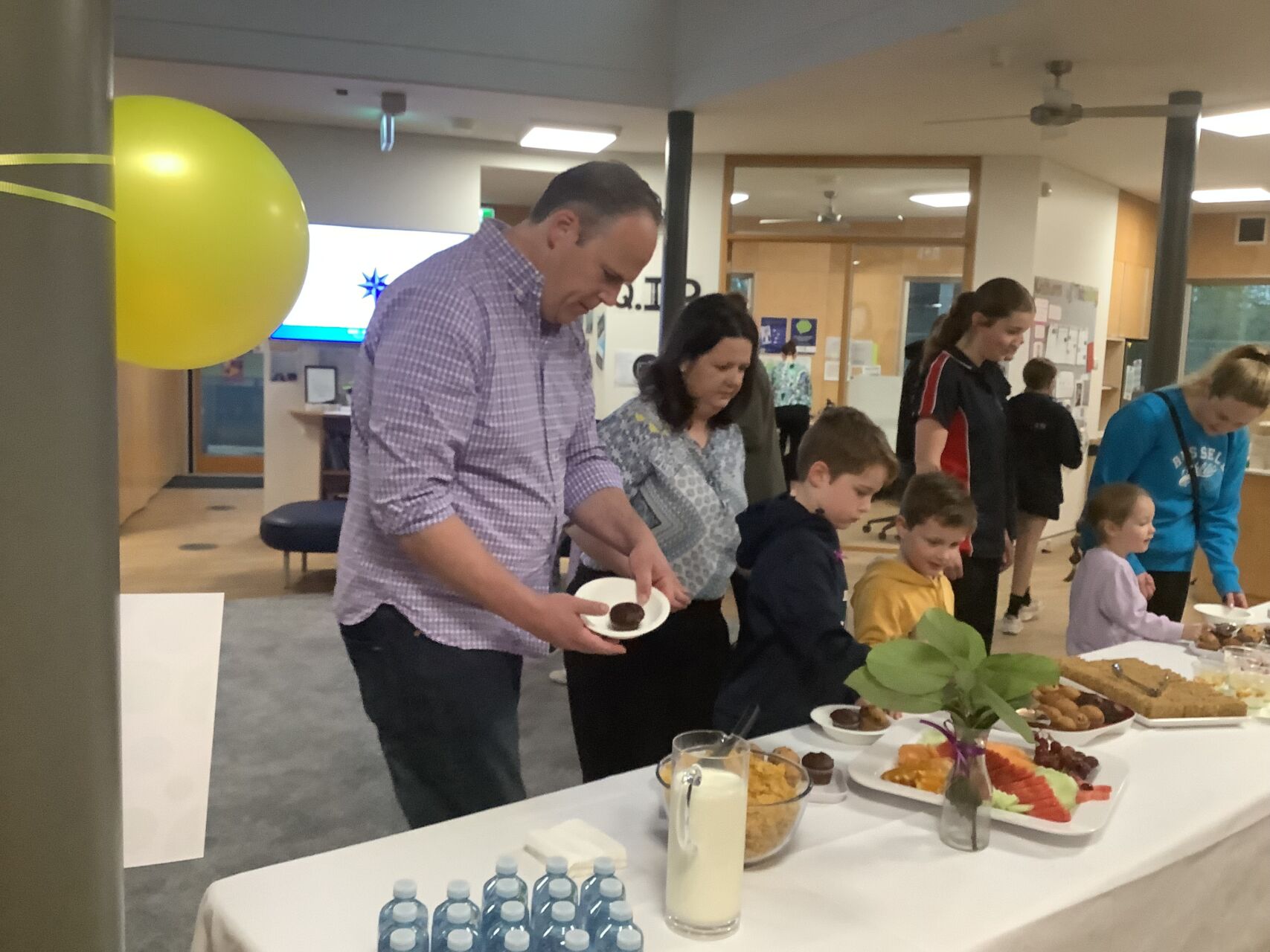
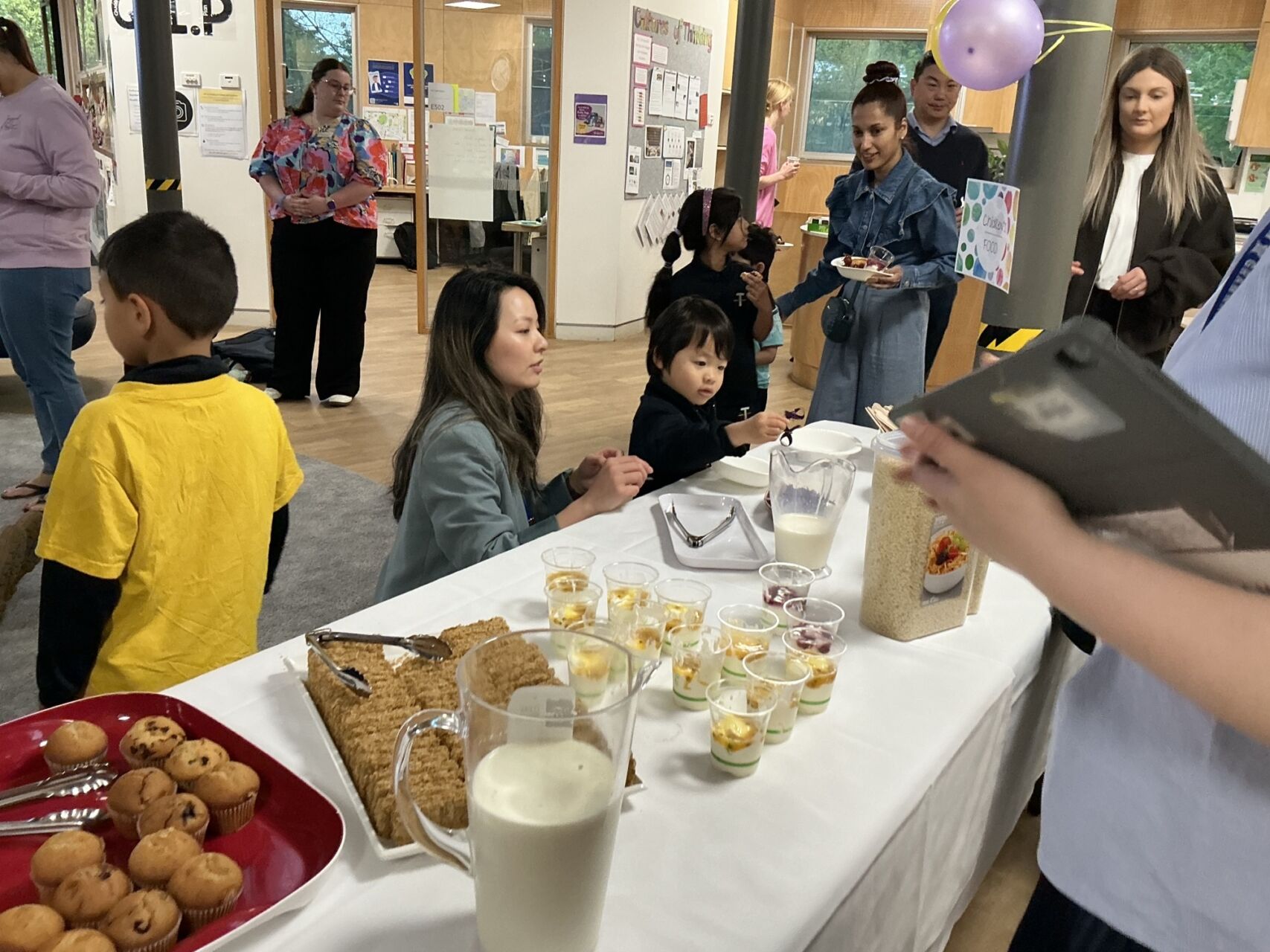
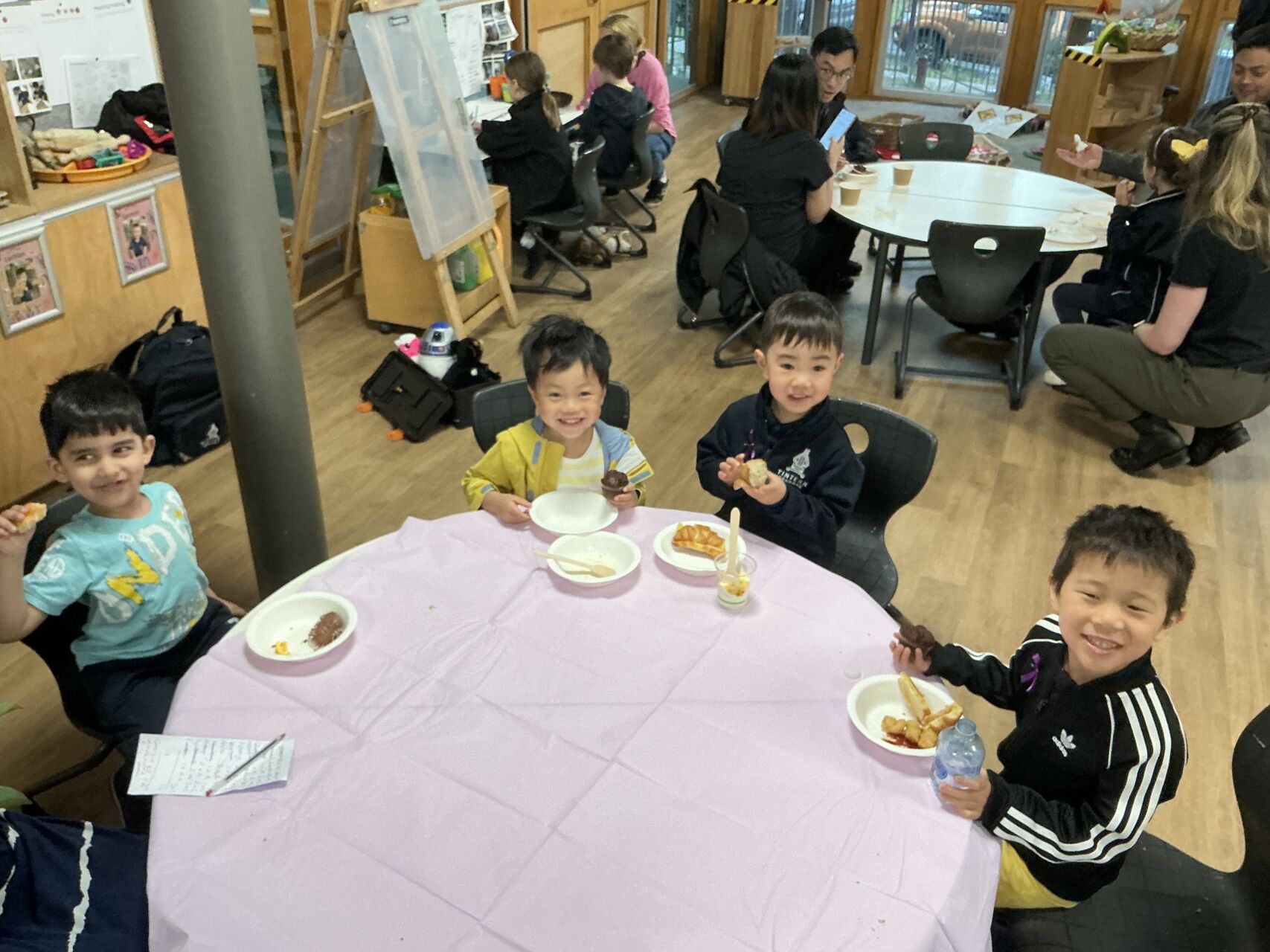
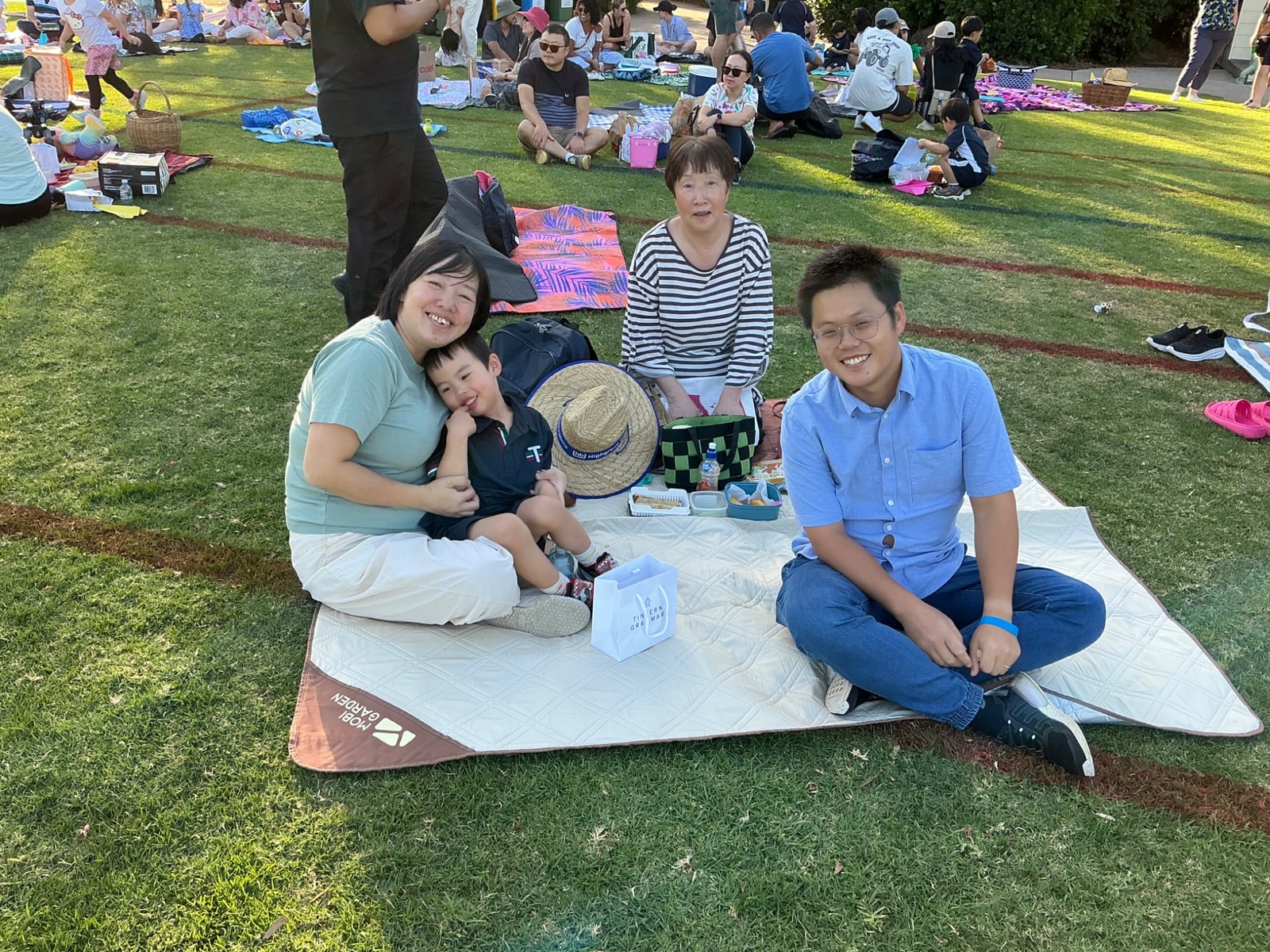
Our Big Breakfast event was another highlight, as families gathered bright and early to share a meal and raise funds for a meaningful cause. The sense of community spirit was unmistakable, with everyone contributing, connecting, and enjoying the simple pleasure of starting the day together.
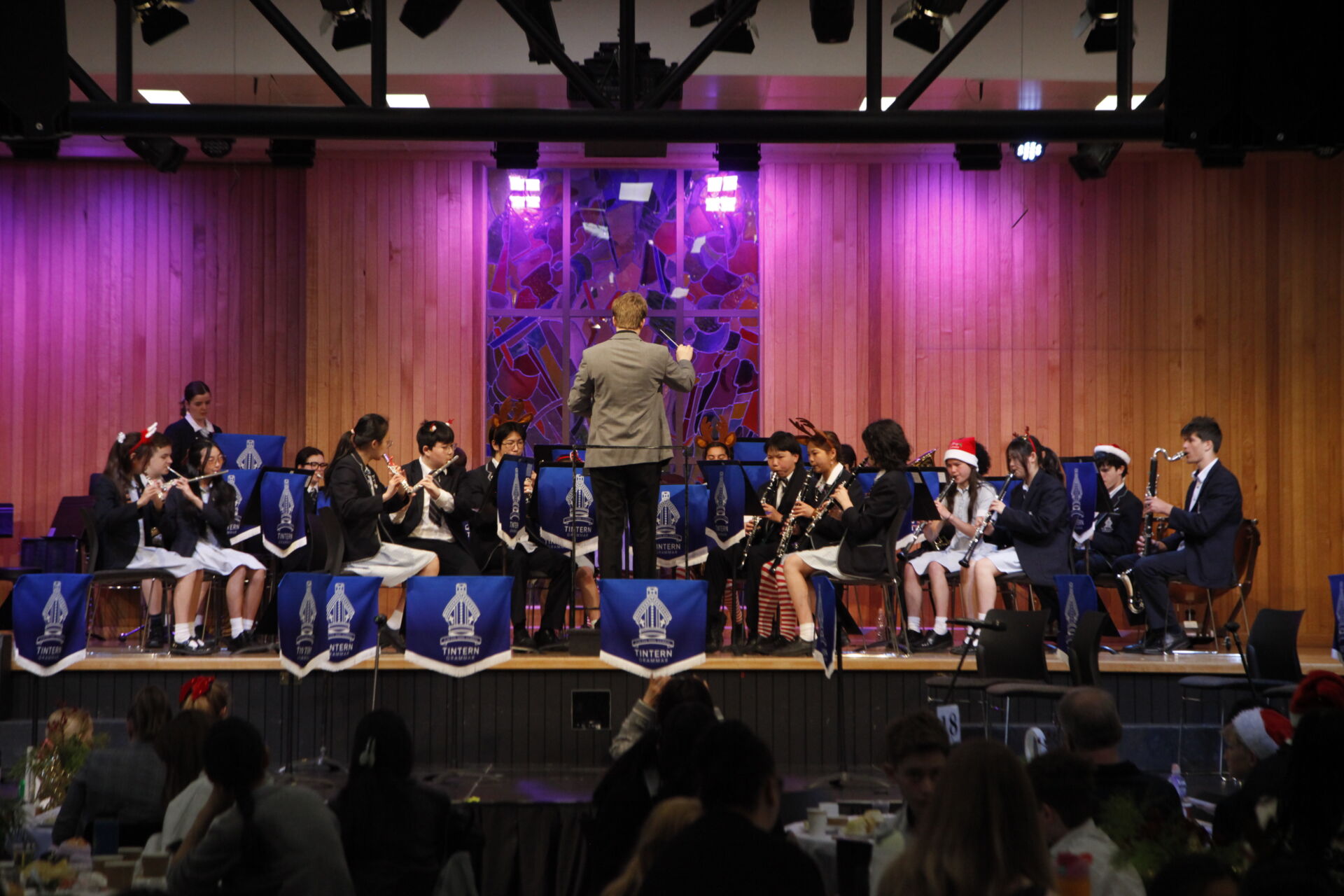
And now, as we look ahead to December, all roads lead to our Christmas Concert—a joyful culmination of the year’s learning, creativity, and togetherness. It promises to be a heart-warming celebration of the children’s growth and the community that surrounds them.
As we wrap up the year, we sincerely thank all our families for their ongoing support, enthusiasm, and involvement. These events matter deeply—they strengthen relationships, build confidence, and create memories that enrich every child’s journey.
Kristin De Vos
Head of early Learning Centre