The magic of play dough
Play dough is one of those timeless favourites that children just seem to love – and for good reason! It’s not only fun and engaging, but it also offers endless opportunities for learning, creativity and development. Whether students are rolling out a snake, making pretend cupcakes, or just enjoying the feel of it in their hands, play dough has a special place in early childhood. There are so many benefits of play dough, and that is why it’s an integral part of our daily program.
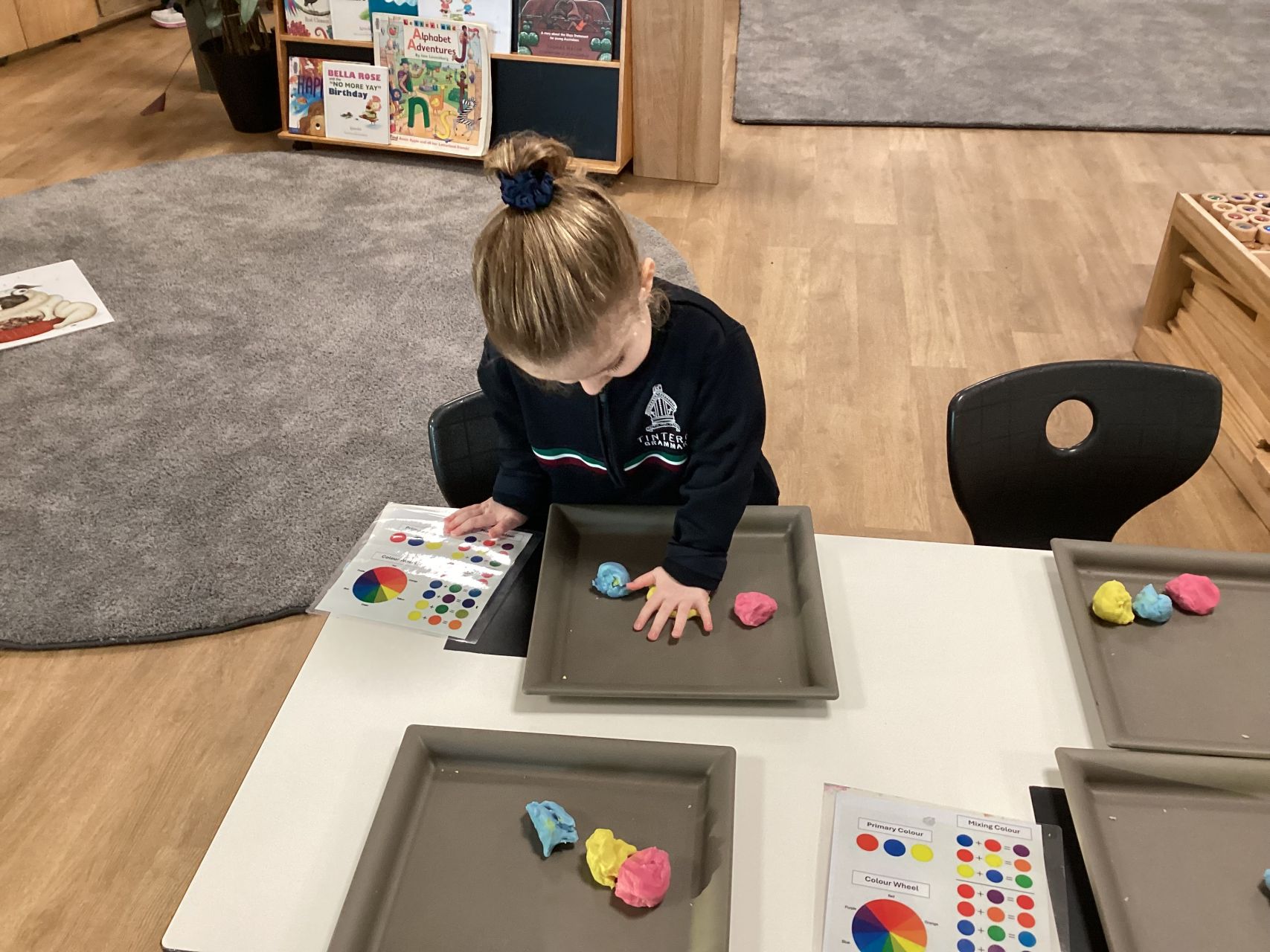
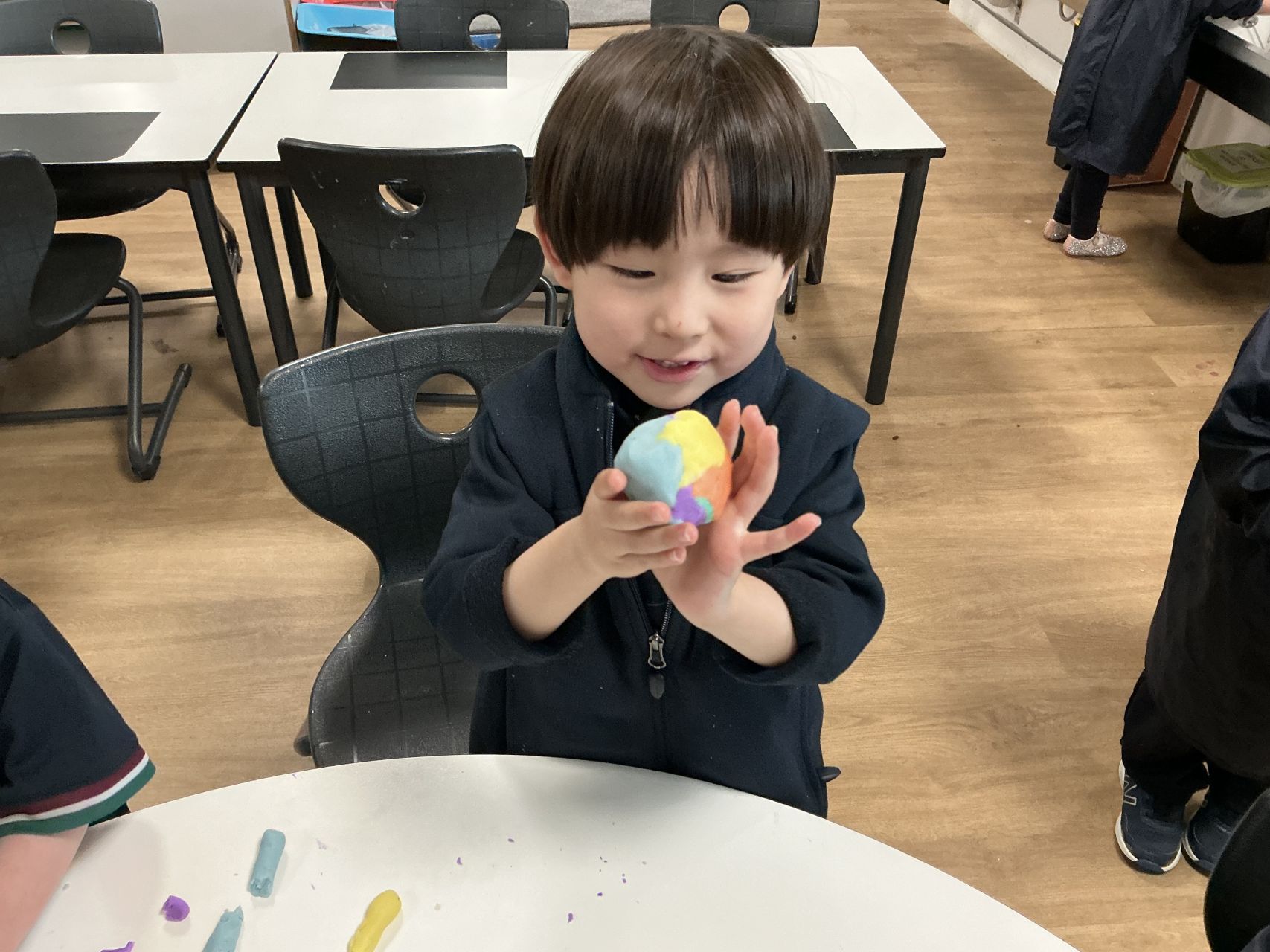
Play dough is a wonderful sensory and learning experience for children being a never-ending tactile learning experience for all children. When given play dough, children are instinctively motivated to explore its soft and responsive sensory qualities. They squeeze it, poke it, squash it, pick it up and pat it down. The dough responds to each of their actions, and the child is learning that their actions have consequences.
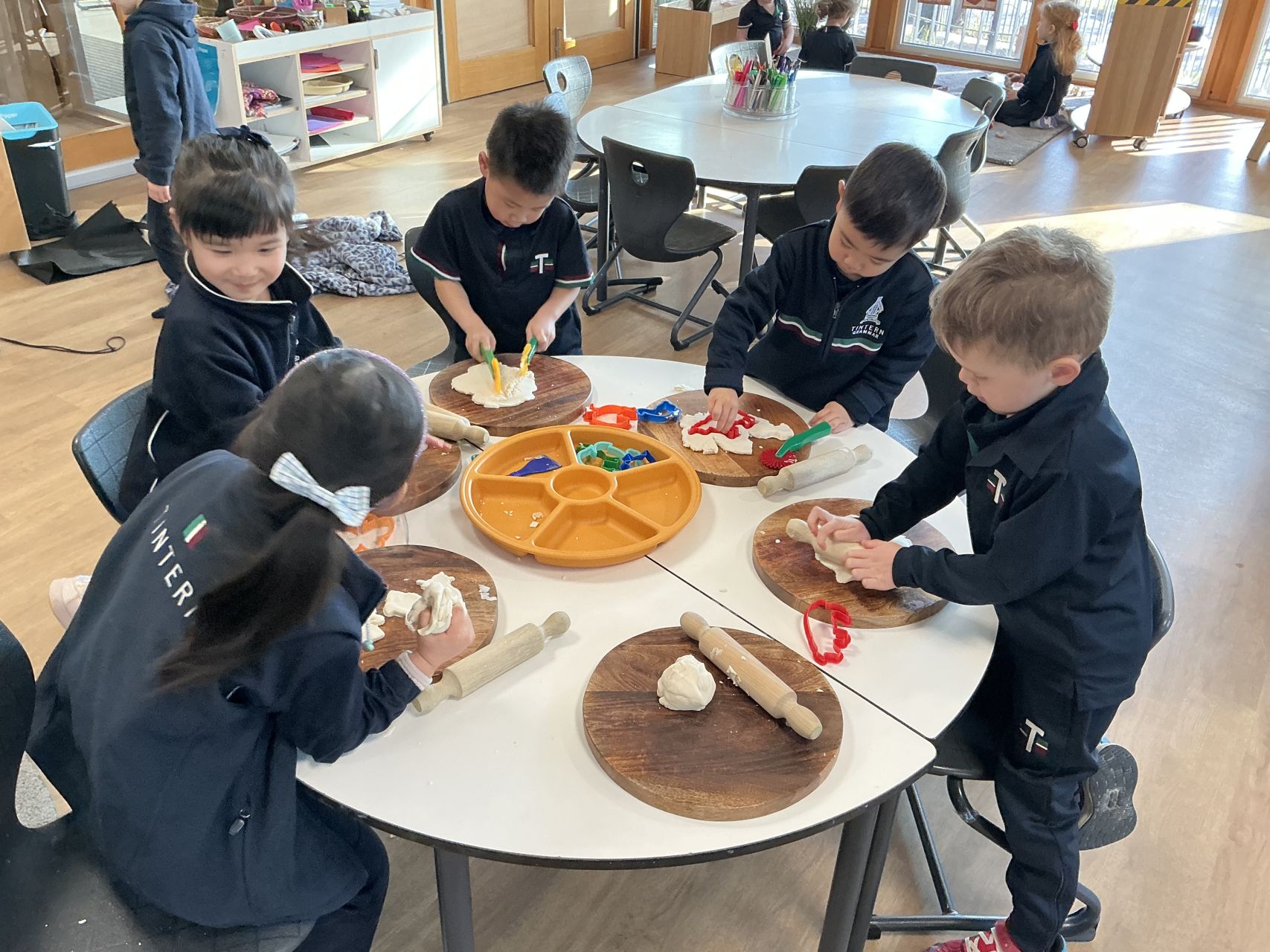
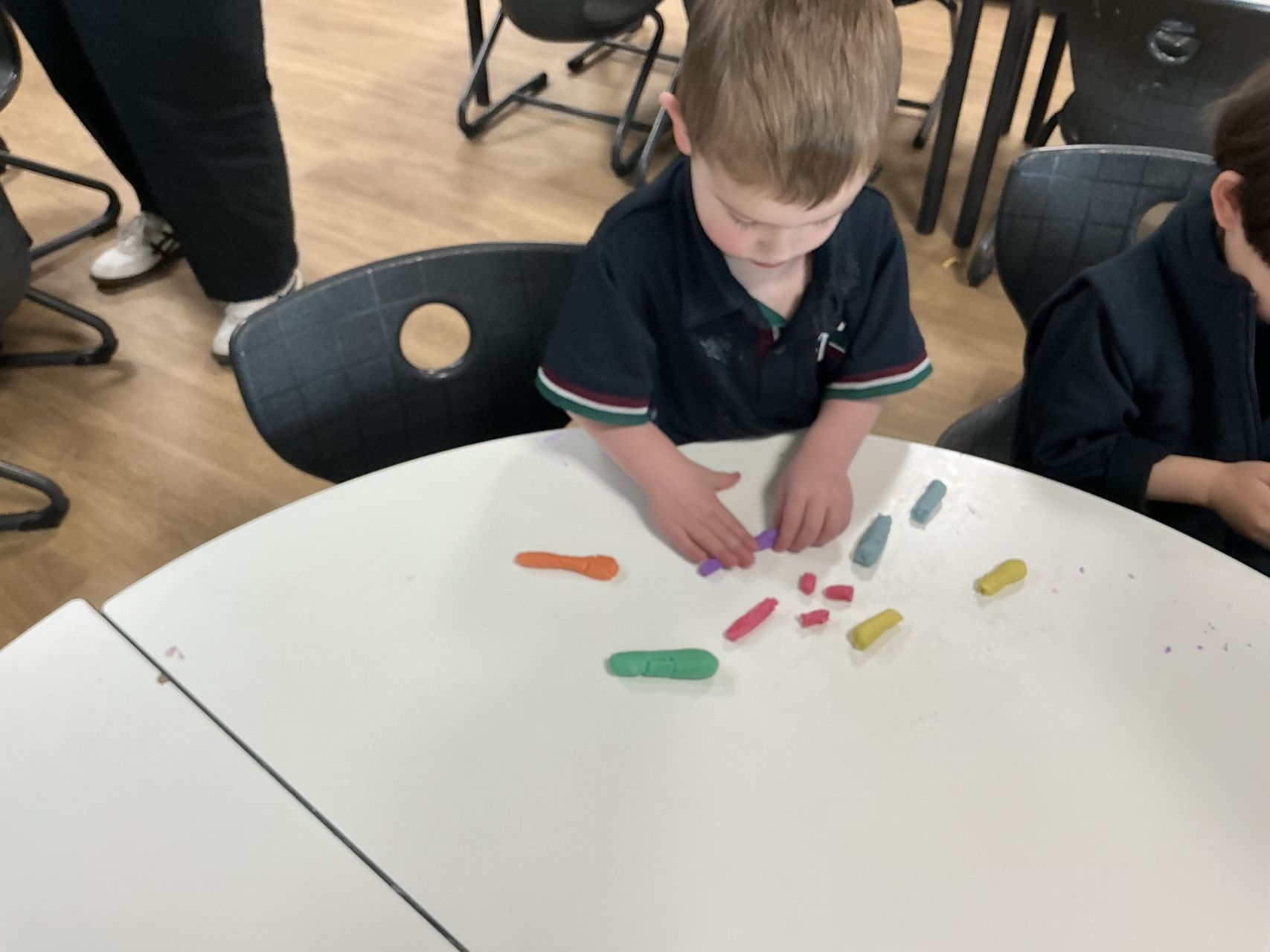
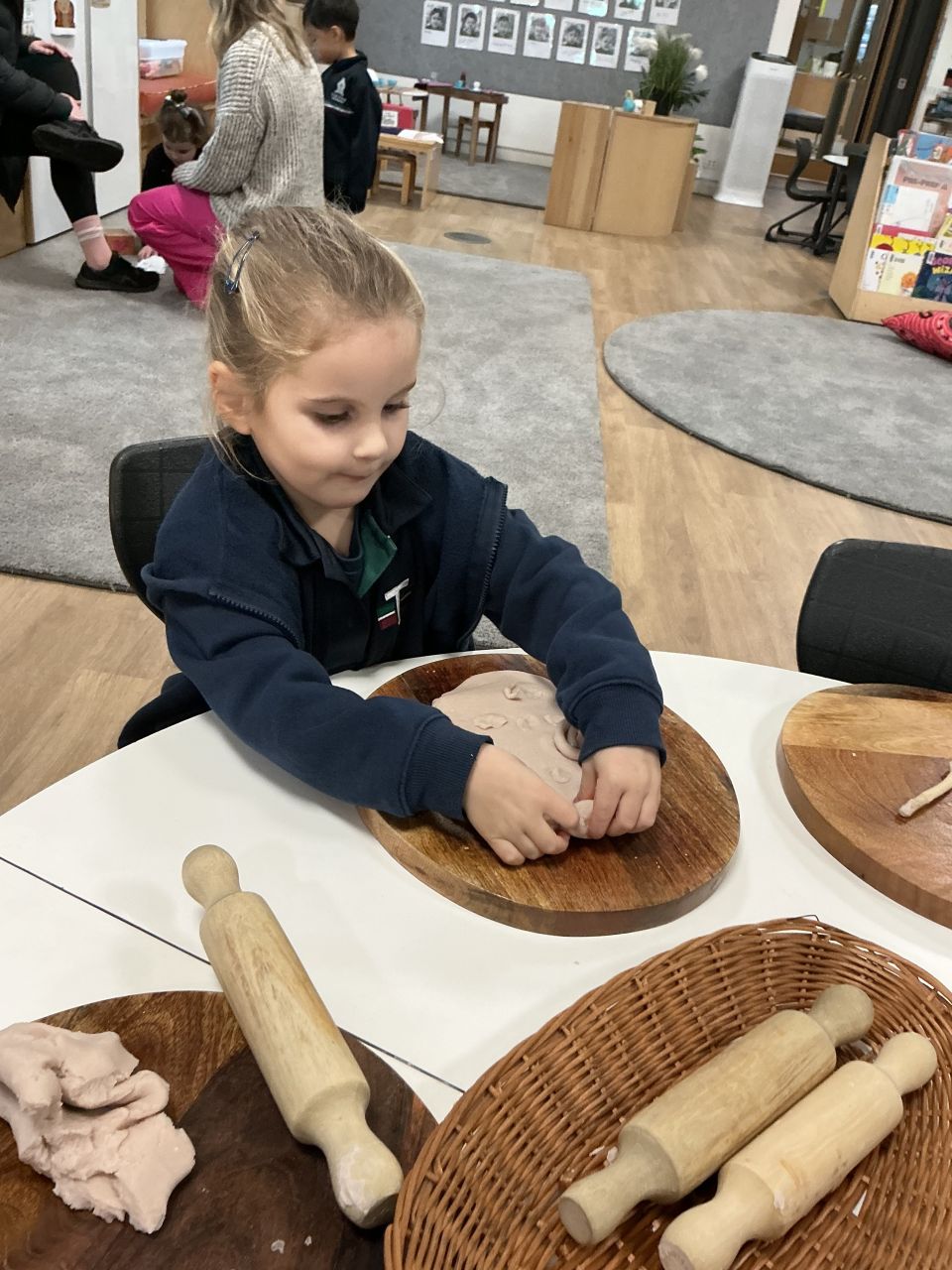
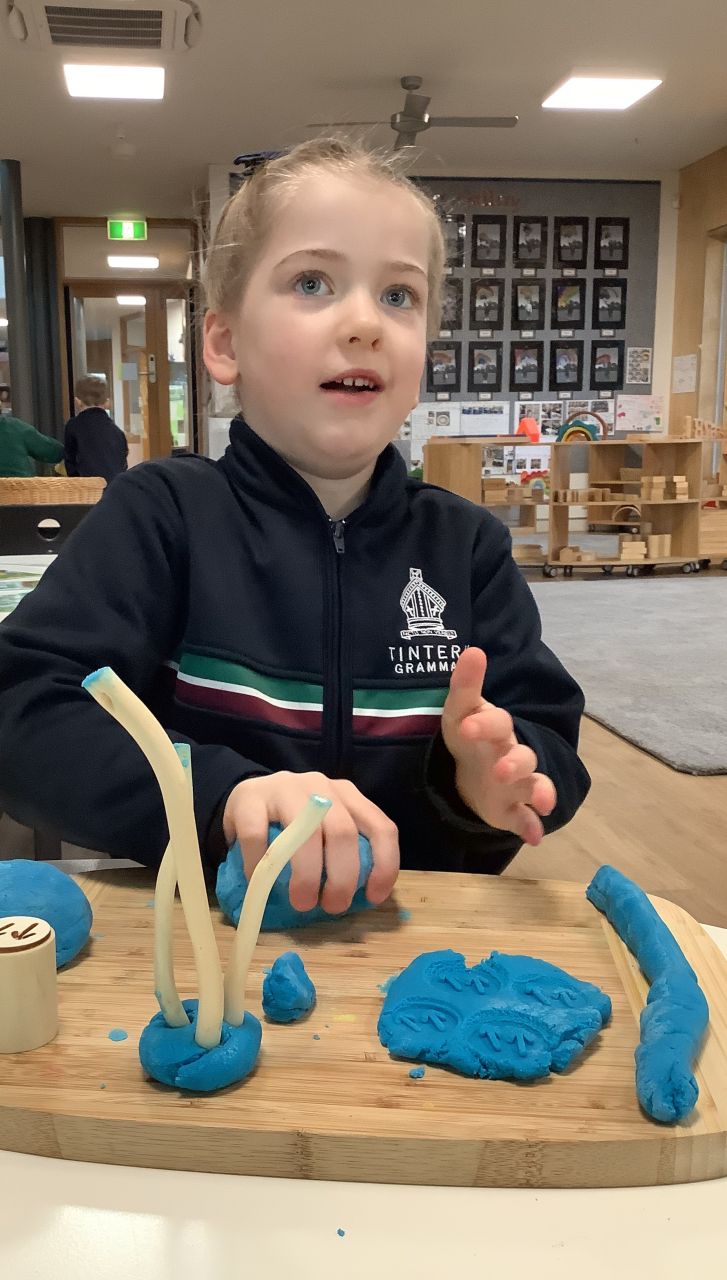
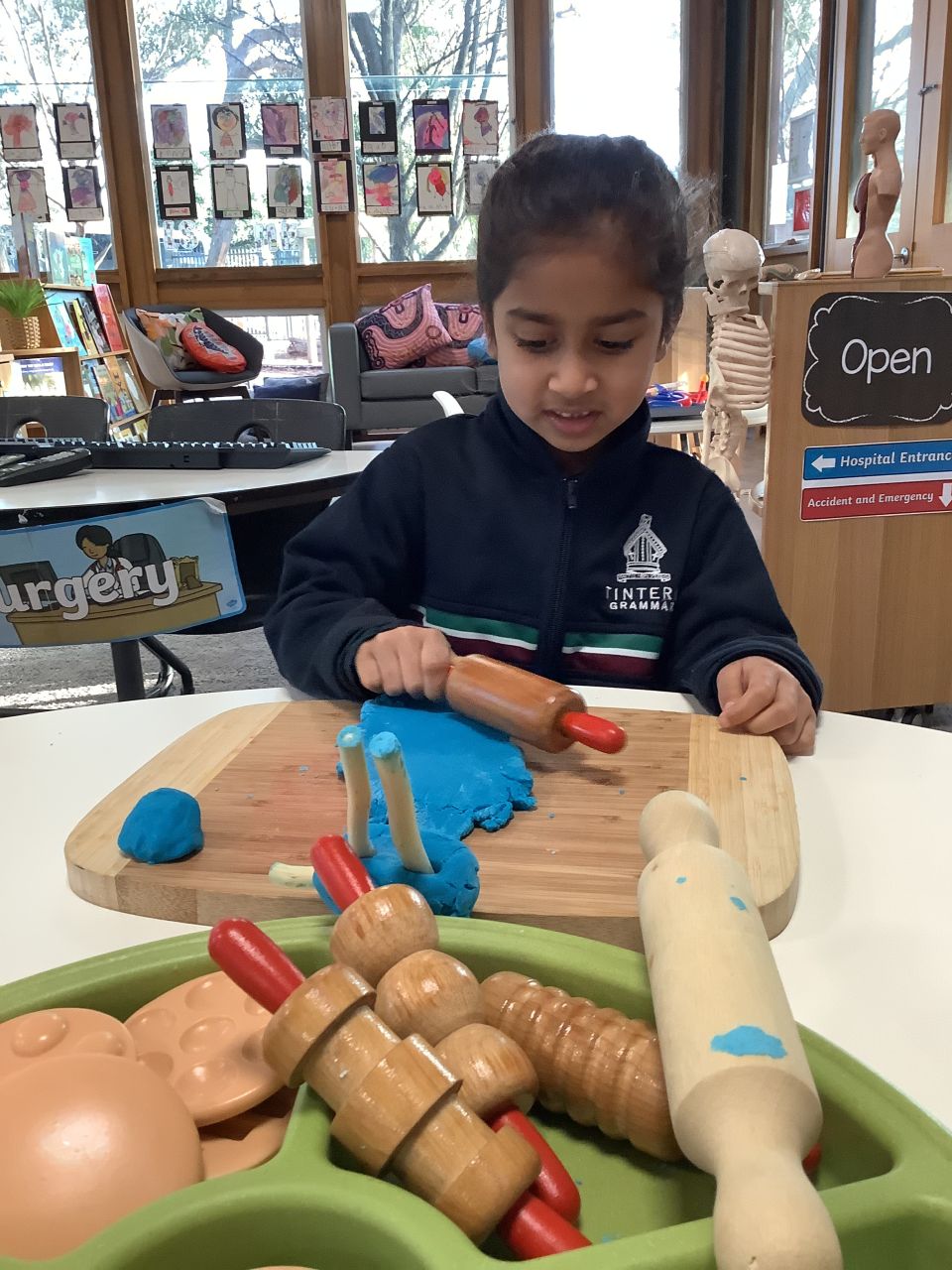
Working and moulding play dough with their hands helps develop large and small muscles, supports arm movements, and aids hand-eye coordination. It also helps improve fine motor skills, which are so important for everyday tasks and pre-writing development. Children need to build strength in their finger muscles before they learn to write, and play dough is one of the best ways to support this. They mould, flatten, squish, pinch, break and roll the dough. To take it even further, we add tools like plastic knives, rolling pins, and cookie cutters – plus fun extras like beads, googly eyes, paddle pop sticks, toy animals, nature treasures, buttons or shells to inspire their creations.
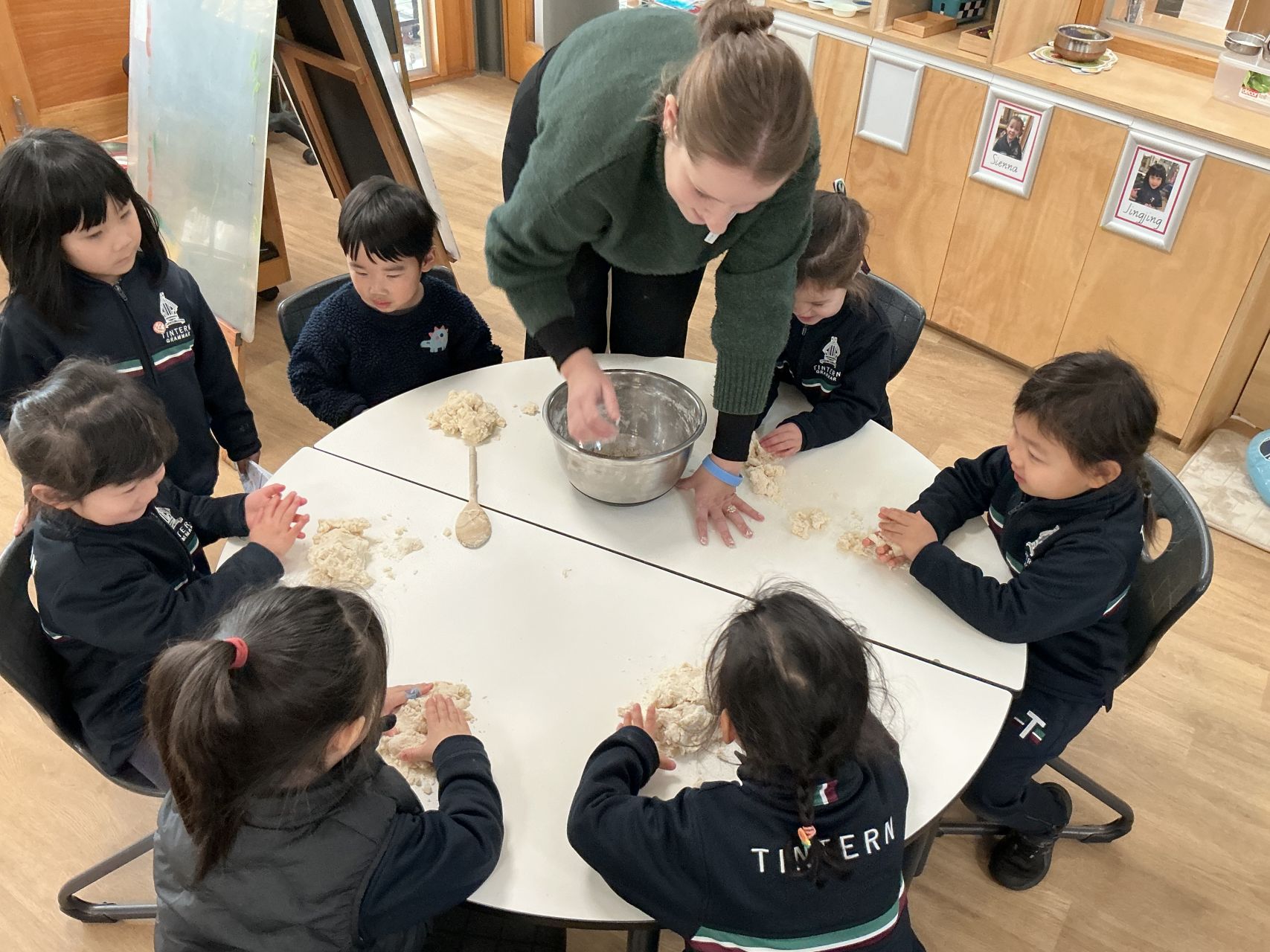
Making play dough with children also opens up wonderful learning opportunities. They explore measuring, mixing, experimenting, predicting, and watching a gooey mix turn into soft, stretchy dough. It’s a hands-on way to introduce maths concepts like size, shape, space, and weight, while also encouraging imagination and creativity.
Play dough supports language and communication. As children chat about what they’re creating, they build vocabulary and express ideas. Educators gently guide the conversation with questions like ‘What do you see?’, ‘What makes you say that?’, or ‘What will you do next?’ These interactions help children learn to think, describe and imagine – skills that prepare them for both school and life.
It also encourages social skills and cooperation. Whether they’re making a pizza together or building separate creatures side by side, play dough gives children a chance to share ideas, take turns and play together. Best of all, there’s no right or wrong way to use play dough. It’s open-ended, creative and fun – whether it’s turning into food, animals, faces or just blobs!
Children work their stress out through their hands, so play dough is a useful way to help children release stress. It helps build self-esteem, gives a safe outlet for emotions, and is often one of the first places children head to at the start of the day – a familiar, calming place to settle in and begin.
So next time you see your child happily squishing and shaping play dough, know they’re not just having fun – they’re learning, growing, and calming their little bodies and minds, all at the same time.
Kristin De Vos
Head of Early Learning