Pasting: More than just glue and paper
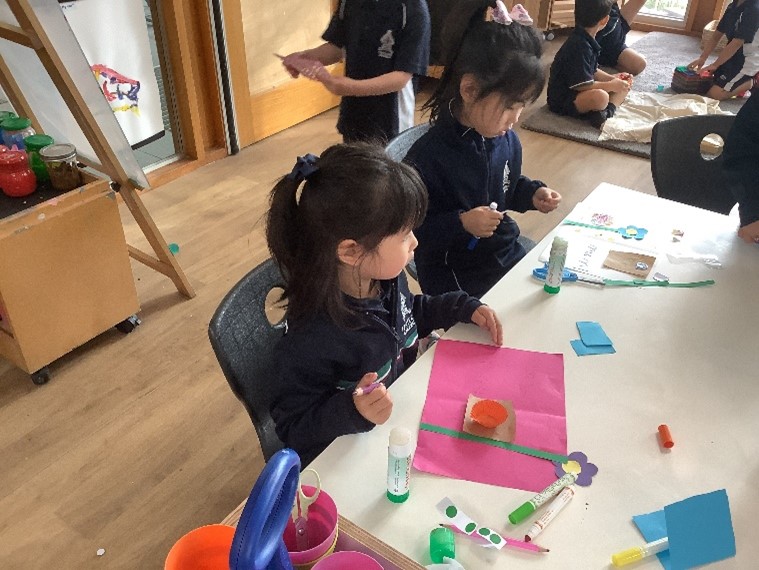
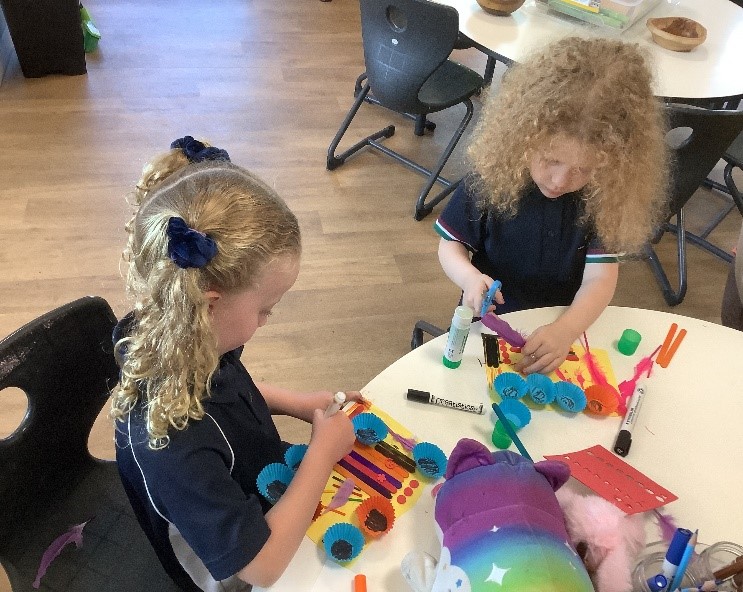
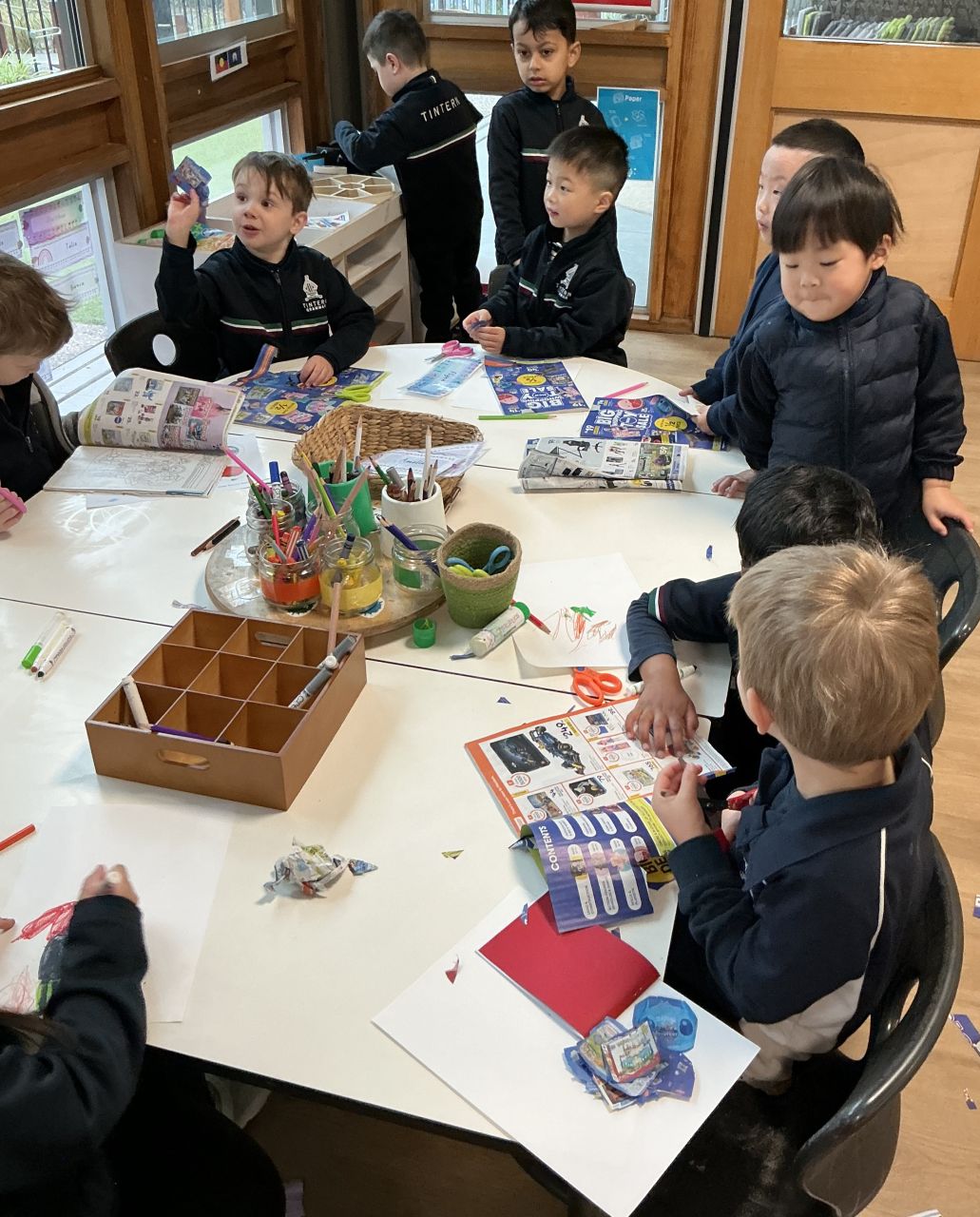
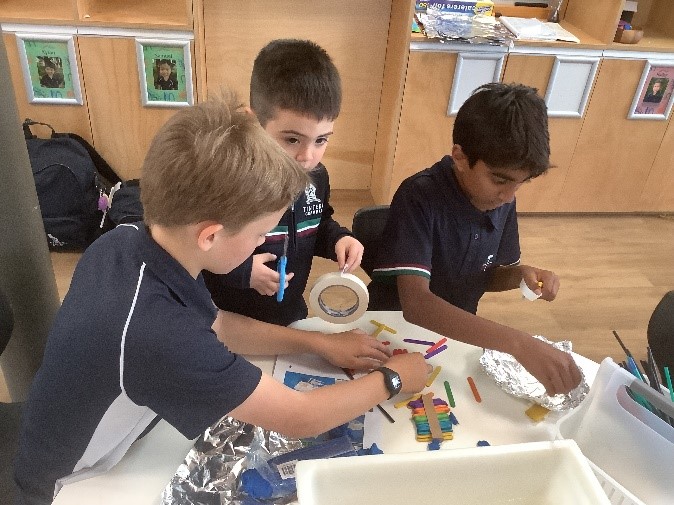
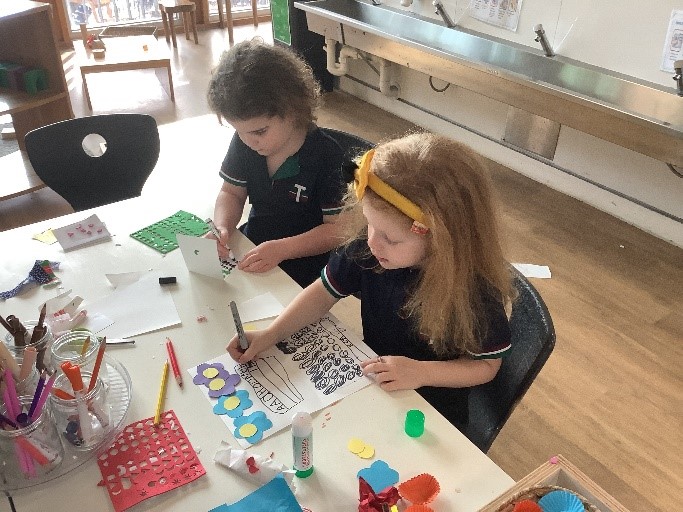
In any early learning classroom, you’ll find plenty of opportunities for children to be creative—one such opportunity is the pasting area.
Pasting is typically an activity that children can access independently. They choose what materials they want to use and how they wish to arrange them on their paper. By providing a variety of loose parts in this space, we open the door to rich, open-ended experiences that encourage imagination and choice.
This simple activity is easy to set up and maintain and can be adapted to suit different themes—such as winter (using blue and white materials), nature (using sticks, leaves, and other found objects), or left open for free exploration. Pasting not only sparks creativity but also gives educators insight into a child’s progress and thought processes while offering opportunities to introduce new challenges.
Evolving the pasting experience
As the year progresses, we increase the complexity of pasting activities to keep children engaged and to further develop their skills. We may introduce smaller or more intricate materials, three-dimensional elements, or change the surface they’re working on—such as moving from flat paper to cardboard, cork, or natural materials. Layered pasting and box construction are also included to extend their thinking and creativity.
If children start to lose interest in pasting, it’s easy to refresh the experience by making small changes. We might switch the type of glue used—such as coloured glue, glitter glue, or glue sticks—or change the paper, using different colours, shapes like circles or triangles, or materials like cardboard or newspaper. Changing the loose parts also brings new excitement—perhaps offering just one colour of materials, using natural or fabric pieces, or even incorporating textured items. Altering the outcome can reignite enthusiasm too—such as encouraging children to paste vertically to create a 3D effect, paste onto a box, or complete a challenge like ‘fill the paper.’
The benefits of pasting
- Physical development
Pasting helps children build fine motor skills, essential for writing and drawing. As they use scissors, brushes, and glue, they strengthen the small muscles in their hands and fingers. We observe their brush grip, how much glue they use, and how they place and arrange loose parts with intention and control. - Intellectual development
Creative tasks like pasting involve real problem-solving. Children wonder: Will this piece stick? Should I cut it smaller? As they make decisions, they explore shapes, sizes, and how different materials work together. They’re also learning to plan and represent ideas visually, developing spatial reasoning, logic, and early geometry skills. - Emotional and social development
Pasting offers a safe, calming outlet for self-expression. Some children use it as a quiet, reflective moment while others thrive socially in the space. They often watch one another work, offer comments or suggestions, share materials, and replicate ideas they see. This fosters collaboration, enjoyment, and emotional expression. - Communication and language development
Creative activities like pasting naturally invite conversation. Children talk aloud while they work—saying things like, ‘I need more,’ or ‘This piece goes here.’ They also interact with peers, ask questions, share ideas, and describe their work, all of which builds expressive language and communication skills.
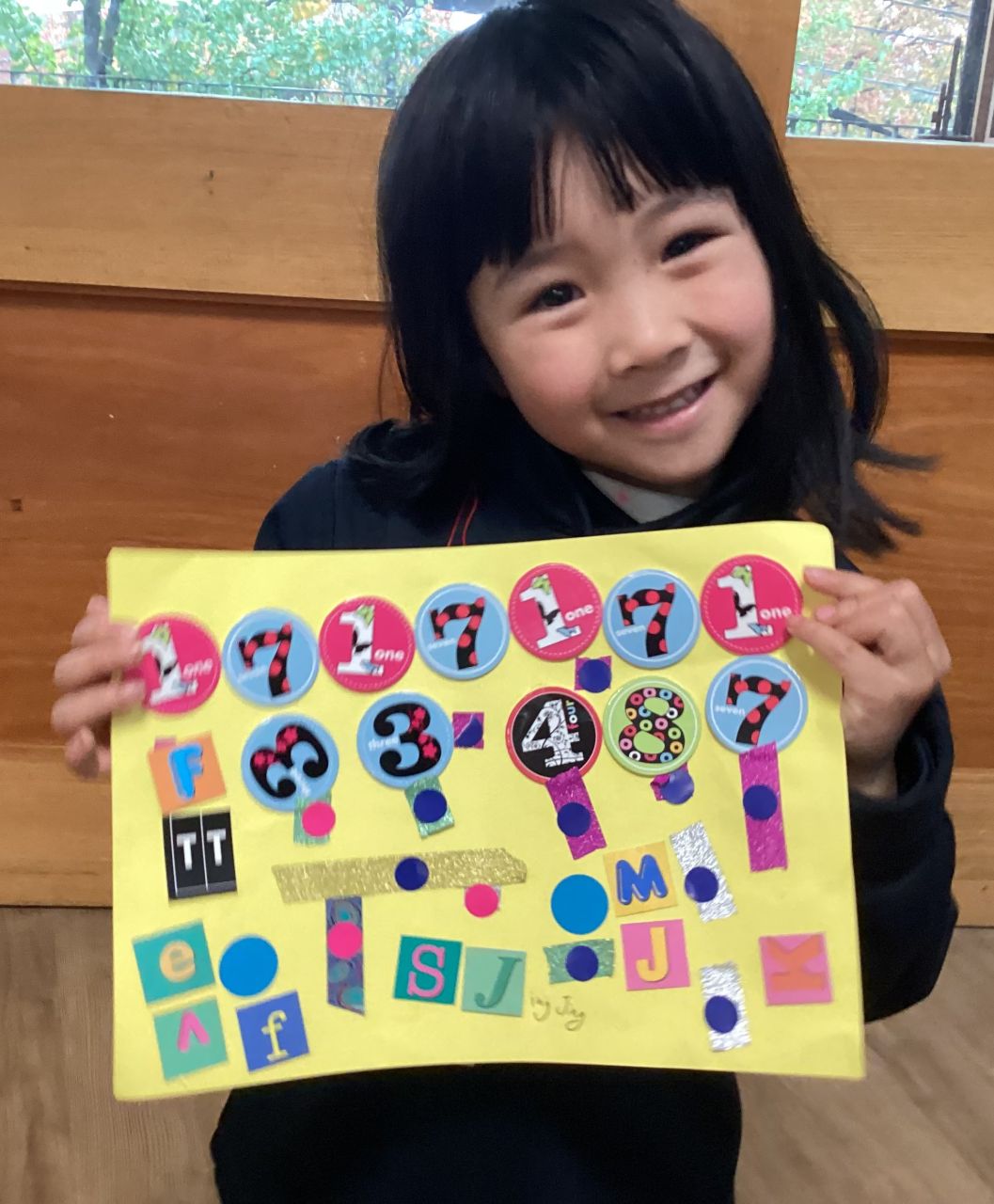
Our pasting and making areas are always a highlight in the room. So next time your child brings home a collage covered in patty pans, sticks, or sparkly paper, remember—there’s a lot more going on than meets the eye. It’s not just a piece of art, but a window into their creativity, learning, and development.
Remember Rembrandt, Da Vinci, Banksy and all celebrated artists never finish a piece in one sitting. They often returned to a piece over and over. If your child walks away from their work they may revisit it, to add more, change or experiment further.
Kristin De Vos | Head of Early Learning Centre