In the ELC we have been delving into Cultures of Thinking and implementing Thinking Routines within our curriculum. Through implementing Thinking Routines, we aim to collaborate with children to make their ideas and thinking visible, guiding them with a set of questions to encourage active thought processing and contribution.
This term we have been implementing two new Thinking Routines, Creating a Space for Learning and Feelings and Options. The routine focuses on developing the children’s emotional skills, looking at how our feelings impact our learning. This routine is designed to foster a self-awareness, autonomy and mindful, compassionate concentration. It also focuses on building the children’s understanding of Respectful Relations, learning empathic problem-solving, ethics spotting and communication skills for social development.
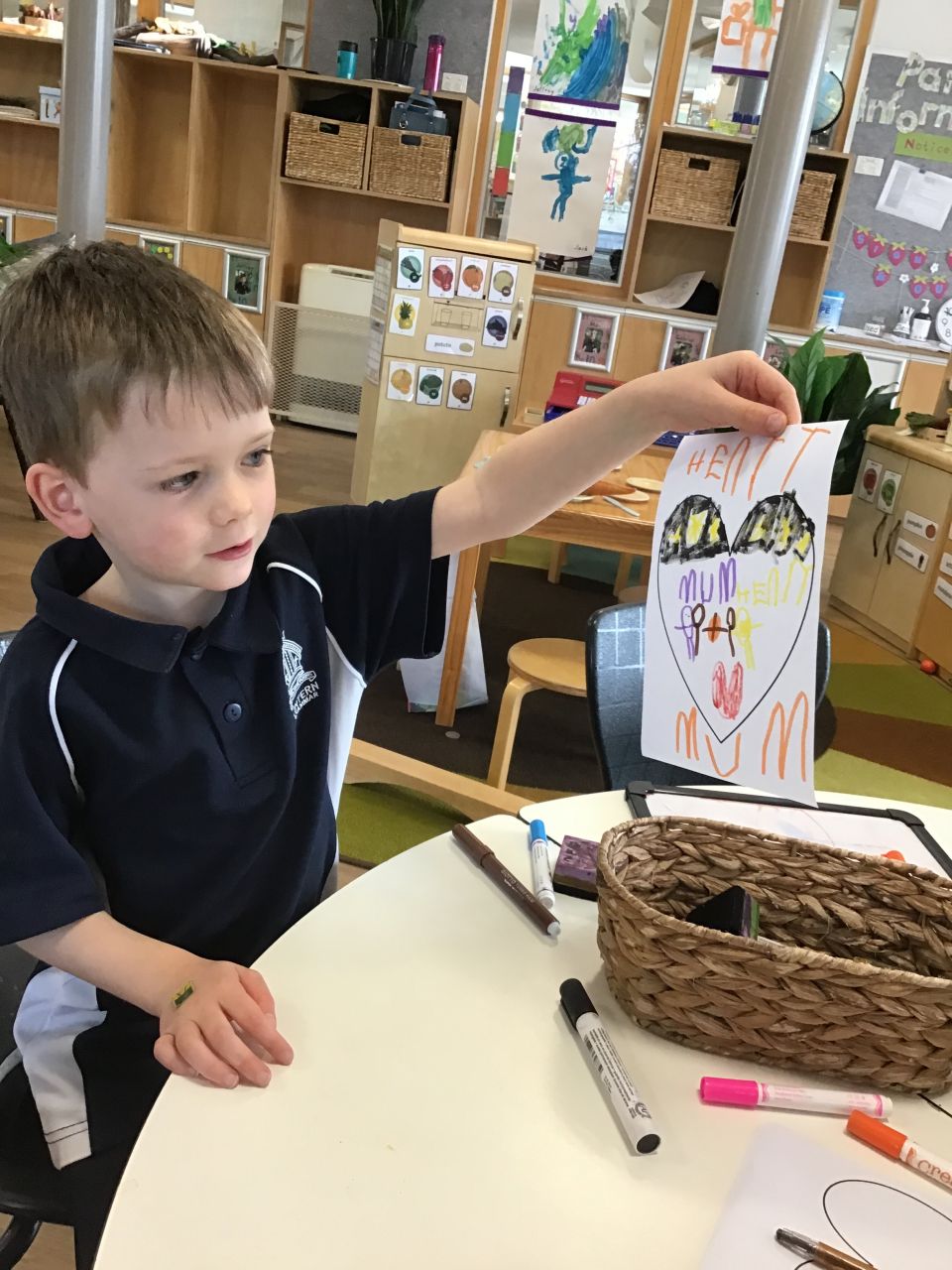
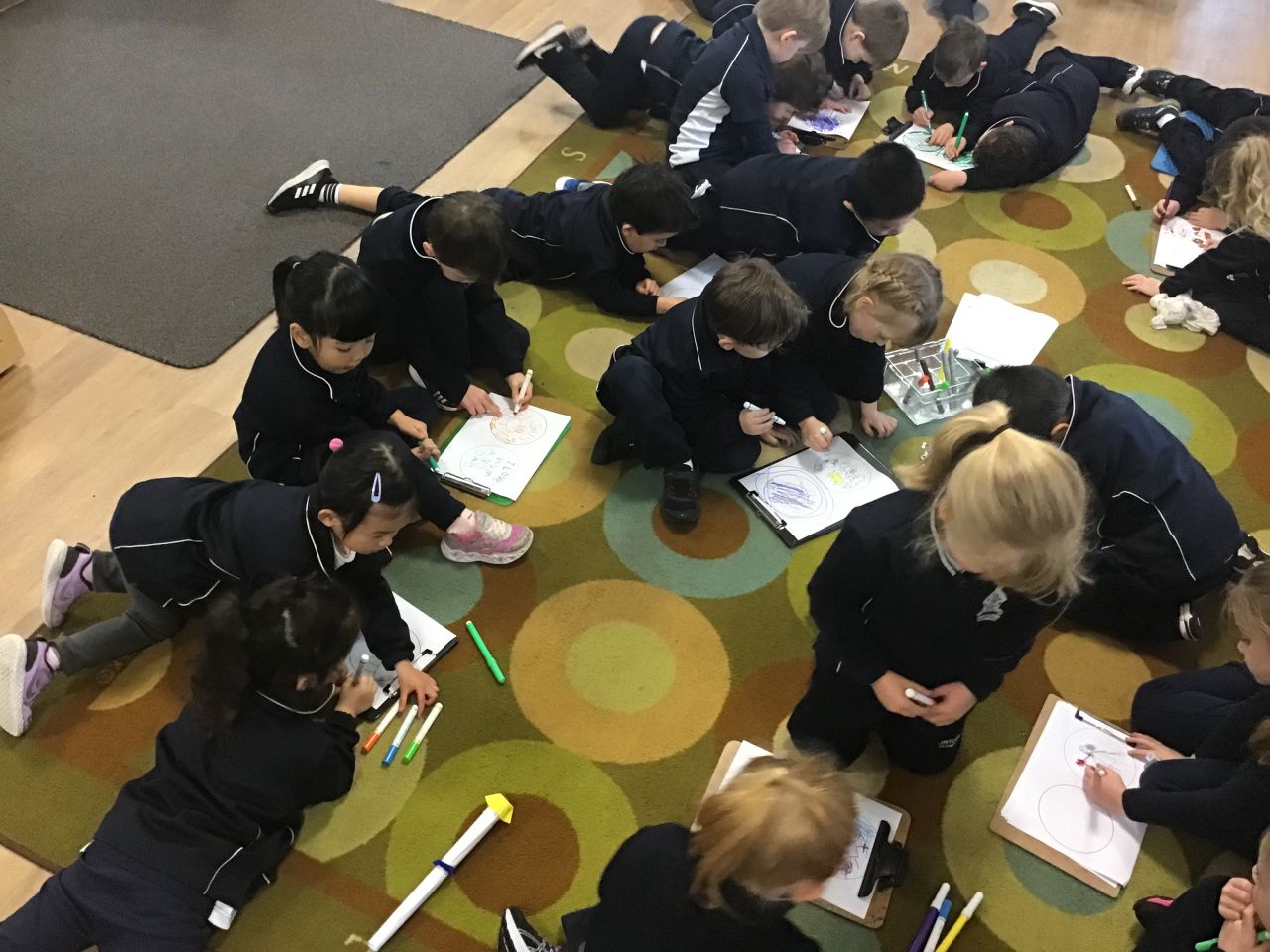
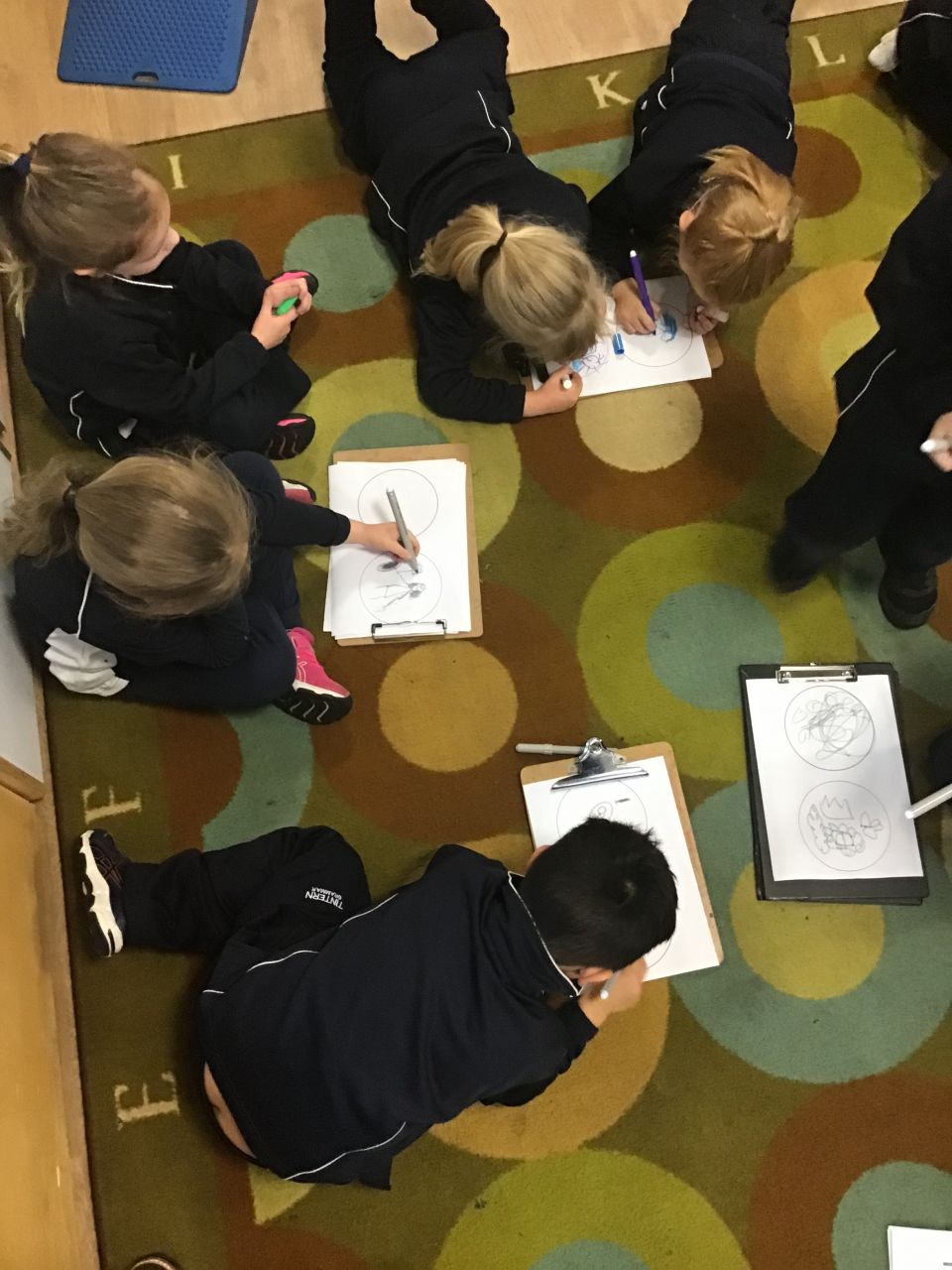
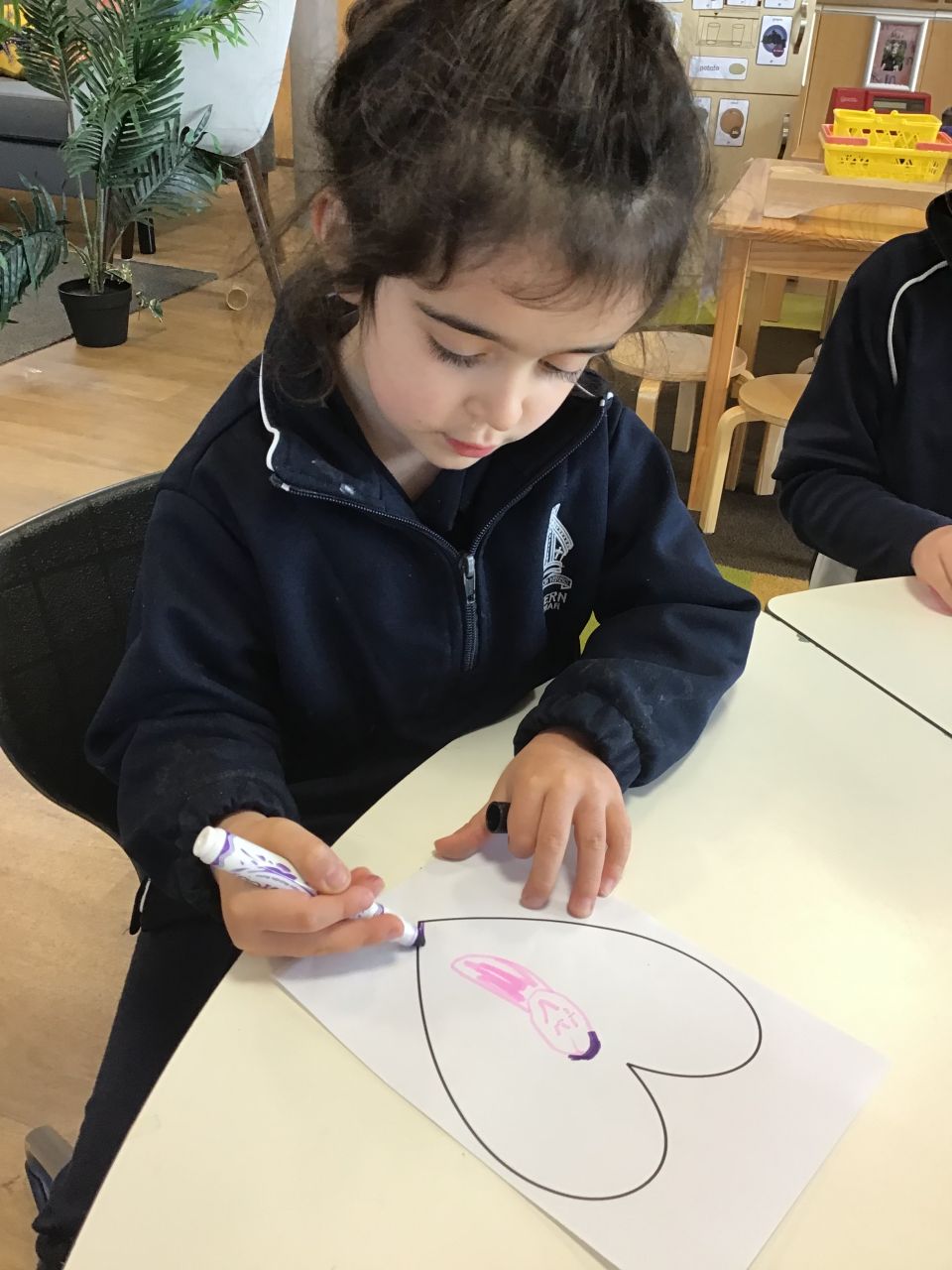
Creating a Space for Learning Routine begins with the children meditating for one minute to focus on one thing that is on their mind or in their heart. They were asked to reflect and draw a feeling, thought or idea that they were thinking of during their meditation. Then the children had the opportunity to share their image, discussing what they had drawn highlighting their feeling, happy, excited, sad, love, angry, silly, shy, sleepy, shy, or calm. As we move through the term, we will build on this routine, acknowledging how these feelings will impact our learning and interactions with others.
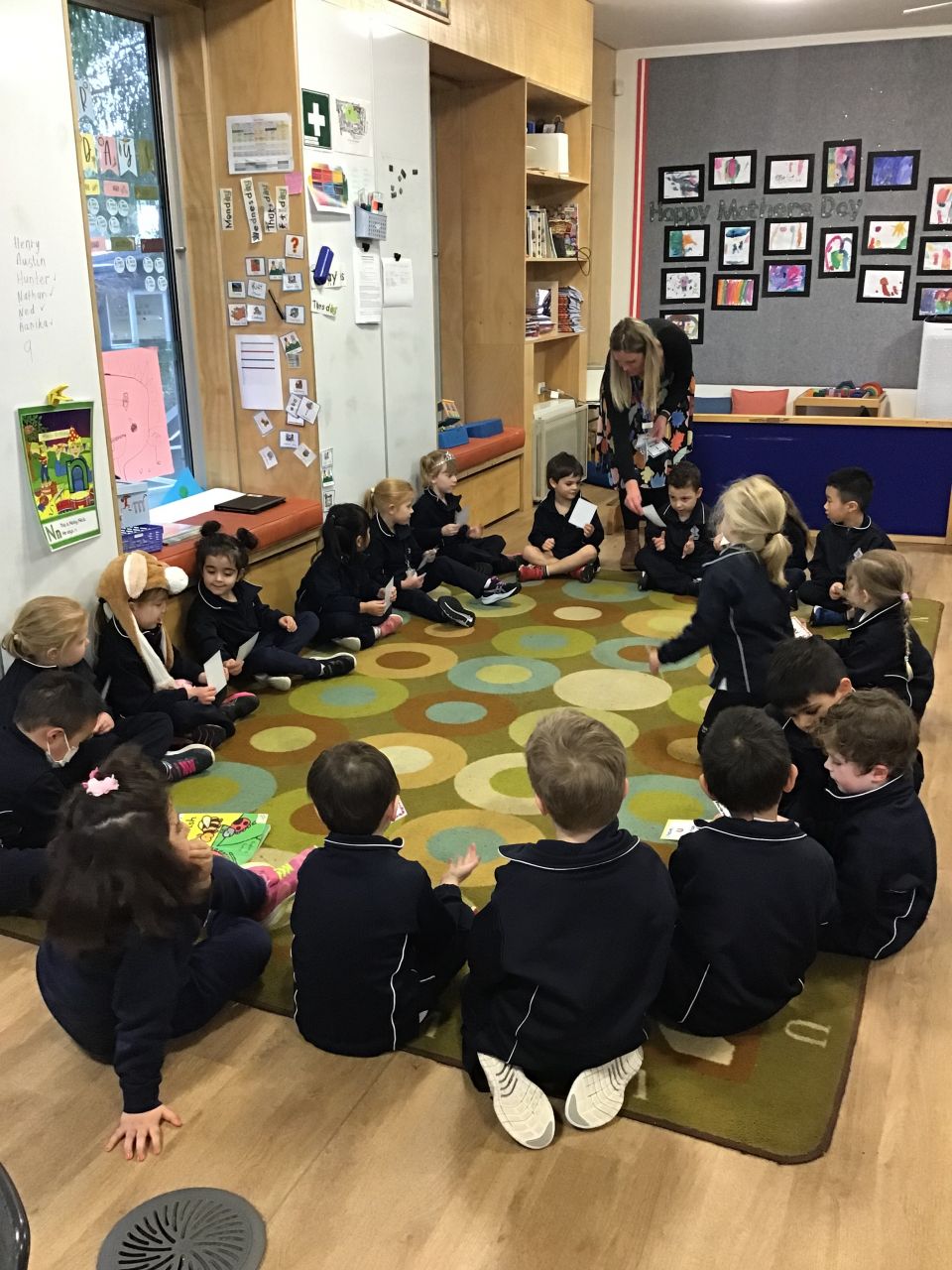
The Feelings and Options Routine was presented to the children at Group Time, they were asked to break into smaller groups and look at an image of a social dilemma. These ranged from not sharing toys, to excluding peers, isolating and ignoring peers. Some of the images were real children, which were relatable, where others were less concrete which meant the children could apply their own ideas and thoughts into the image. The children discussed complex social issues and came up with real strategies to support the social dilemma.
The Children’s Voice:
Problem: “The red one, he was playing with the other ones, and he made a crack in the floor because he was angry. The blue ones moved away, that made the blue ones sad”
Solution – “If it was happening to me, I would say stop it. And if it was happening to someone else, I would ask them to come and play with me”
Problem: “This one is happy as she has all the toys and this one is angry as she only has one bunny”
Solution – “We can just share”
Solution – “Would tell them not to worry, and give them more bunnies”
Problem: “All the goldfish have partners, and the green fish doesn’t”
Solution – “Going to bring him back home”
Solution – “If we see the green fish we can ask it to be a partner”
Giving children a voice and developing the language to communicate is an important part of developing respectful relationships. The children’s maturity to reflect upon social and emotional strategies were emphasised during these Thinking Routines. They demonstrated confidence in advocating for those who are faced with ethical social problems and had the autonomy to make fair and just decisions for all.
Claire Trappitt | Prep Teacher
Kristin De Vos | Head of ELC